The Camino de Santiago
Discover the world's most inspiring pilgrimage routes. Walk ancient paths, meet fellow travelers, and experience personal transformation.
What is the Camino de Santiago?
The Camino de Santiago (Way of St. James) is a network of pilgrimage routes stretching across Europe, converging on the Cathedral of Santiago de Compostela in Galicia, Spain. For over 1,000 years, pilgrims have walked these sacred paths seeking spiritual enlightenment, personal growth, and connection.
Today, hundreds of thousands of people from every corner of the world choose to walk the Camino. Whether motivated by faith, fitness, friendship, or freedom, pilgrims find the journey profoundly transformative.
Modern infrastructure—guesthouses, rest stops, and clear signage—makes the Camino accessible to walkers of all ages and fitness levels. Yet the experience remains deeply authentic and meaningful.
Personal Growth
The daily rhythm of walking creates space for reflection, clarity, and transformation. Many pilgrims return home with renewed purpose and perspective.
Community
Walk alongside people from every culture and background. Form lasting friendships united by the shared pilgrimage experience.
Adventure
Experience diverse landscapes—coastal cliffs, mountain passes, ancient villages—and immerse yourself in Spanish and Portuguese culture.
Choose Your Route

Choose Your Route - 13 unique paths across Spain & Portugal
All 12 Routes
Camino Francés
34dSaint-Jean-Pied-de-Port → Santiago de Compostela
Camino Portugués (Full) — Starting: Lisbon
25dLisbon → Santiago de Compostela
Camino Portugués (Popular) — Starting: Porto
10dPorto → Santiago de Compostela
Camino Portugués Coastal — Starting: Porto
13dPorto → Santiago de Compostela
Portuguese With Spiritual Variant — Starting: Porto
11dPorto → Santiago de Compostela
Camino del Norte
35dIrún → Santiago de Compostela
Camino del Norte Coastal
38dIrún → Santiago de Compostela
Camino Primitivo
14dOviedo → Santiago de Compostela
Vía de la Plata
39dSevilla → Santiago de Compostela
Le Puy Camino
29dLe Puy-en-Velay → Saint-Jean-Pied-de-Port
Camino Finisterre
4dSantiago de Compostela → Finisterre
Camino Inglés
5dFerrol → Santiago de Compostela
Camino de Invierno
11dPonferrada → Santiago de Compostela
Quick Start: Last 100km
Walk the final 100km of any Camino route to qualify for the official Pilgrim Certificate (Compostela).
Camino Guides
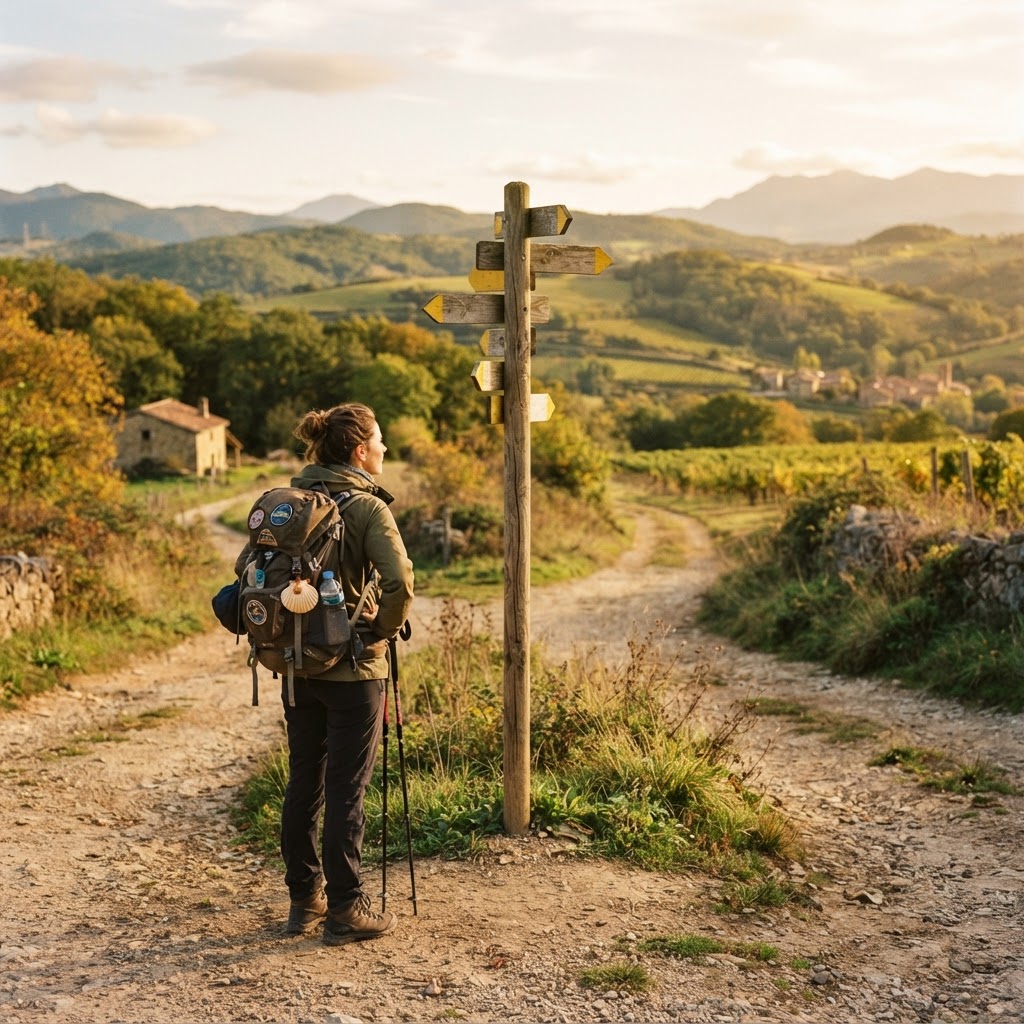
Best Camino de Santiago Route for Beginners & First-Timers
Choosing your first Camino? Compare the easiest routes — Camino Francés, Portuguese, and Inglés — by length, difficulty, infrastructure, and crowd levels to find the perfect first walk.
Read article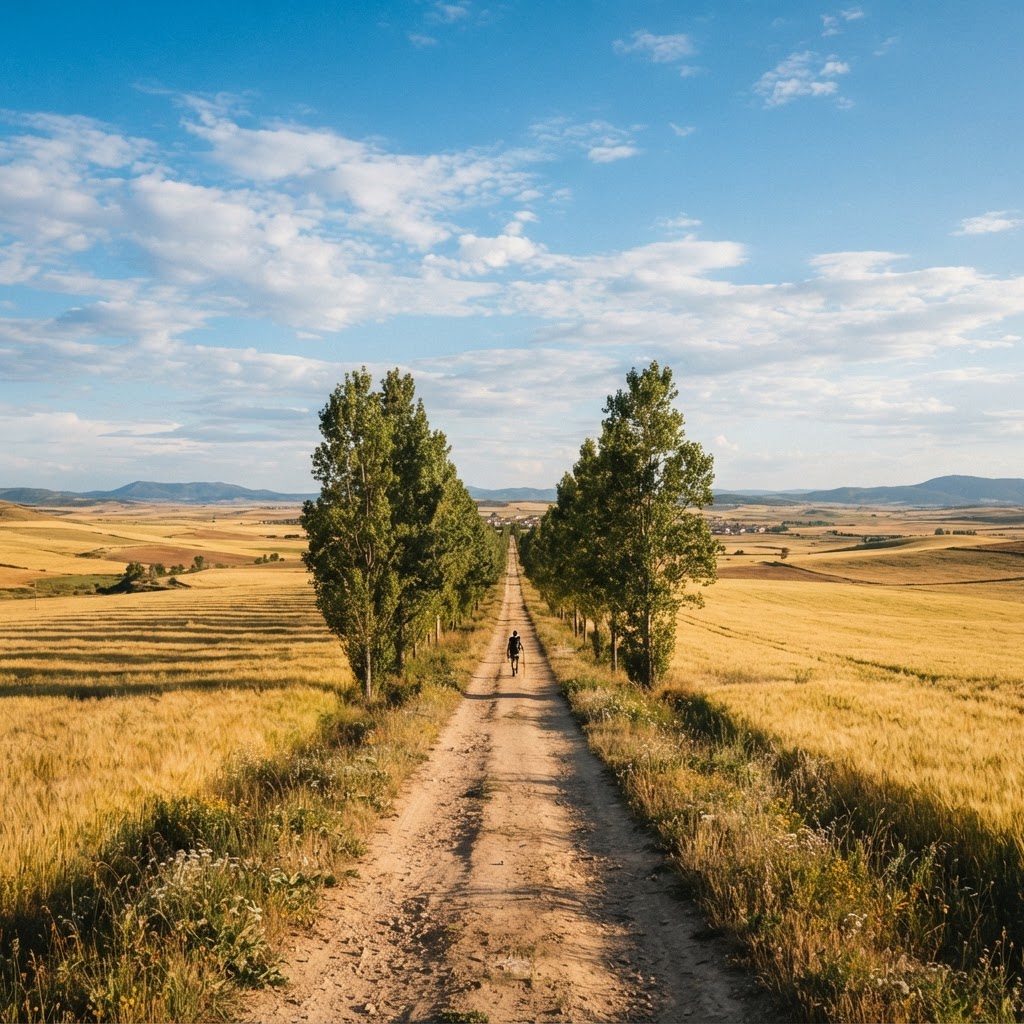
Camino Francés — Complete Guide to the French Way
The Camino Francés is the world's most-walked pilgrimage. A full guide to its route, stages, distance, start points, difficulty, where to stay, and how to plan it.
Read article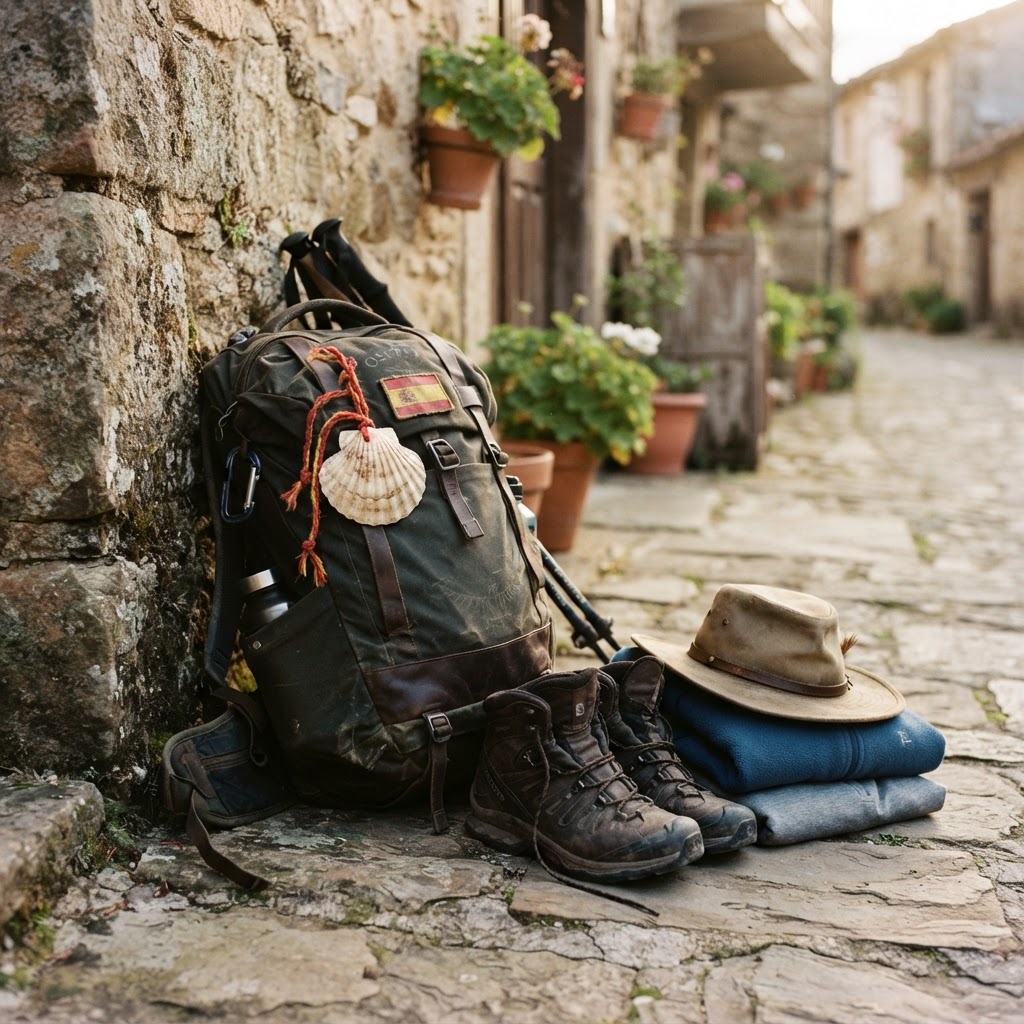
Camino de Santiago Packing List — What to Pack
A practical Camino packing list: backpack size, clothing layers, footwear, toiletries, documents, electronics — and what to leave behind to keep your pack light.
Read article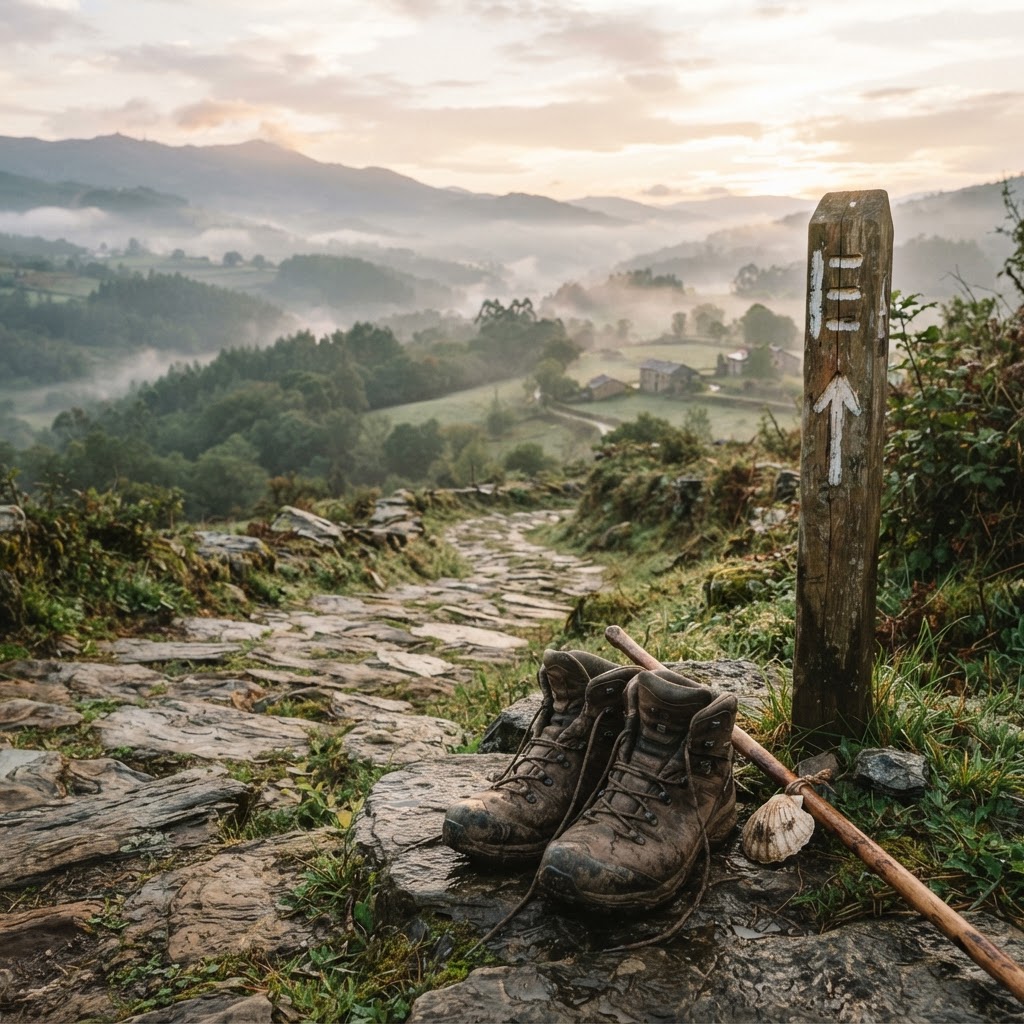
How Many Days Does the Camino de Santiago Take?
How long the Camino takes: typical durations per route, daily distance, pacing, rest days, and how to fit the pilgrimage into your schedule.
Read article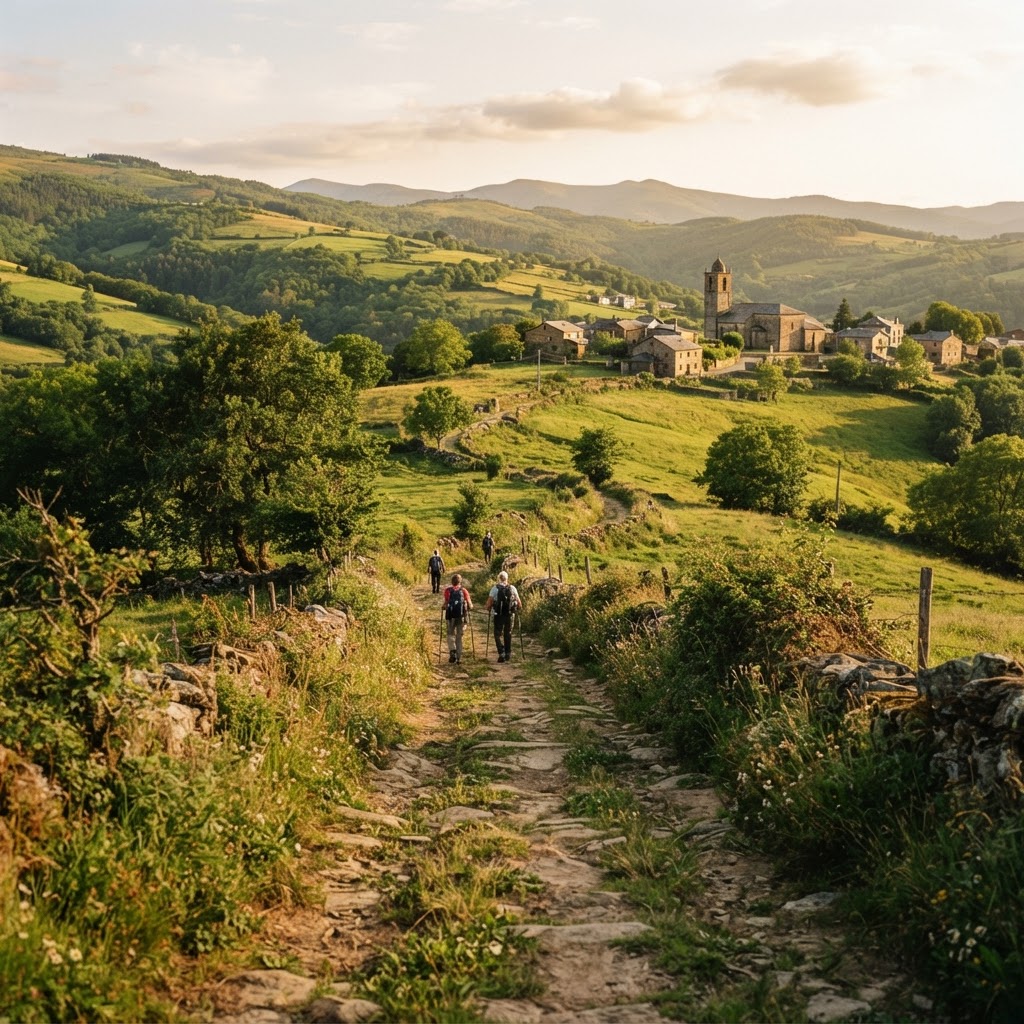
Best Time to Walk the Camino de Santiago (Month & Season Guide)
When to walk the Camino: a season-by-season guide to weather, crowds, and trail conditions, with month-by-month recommendations.
Read article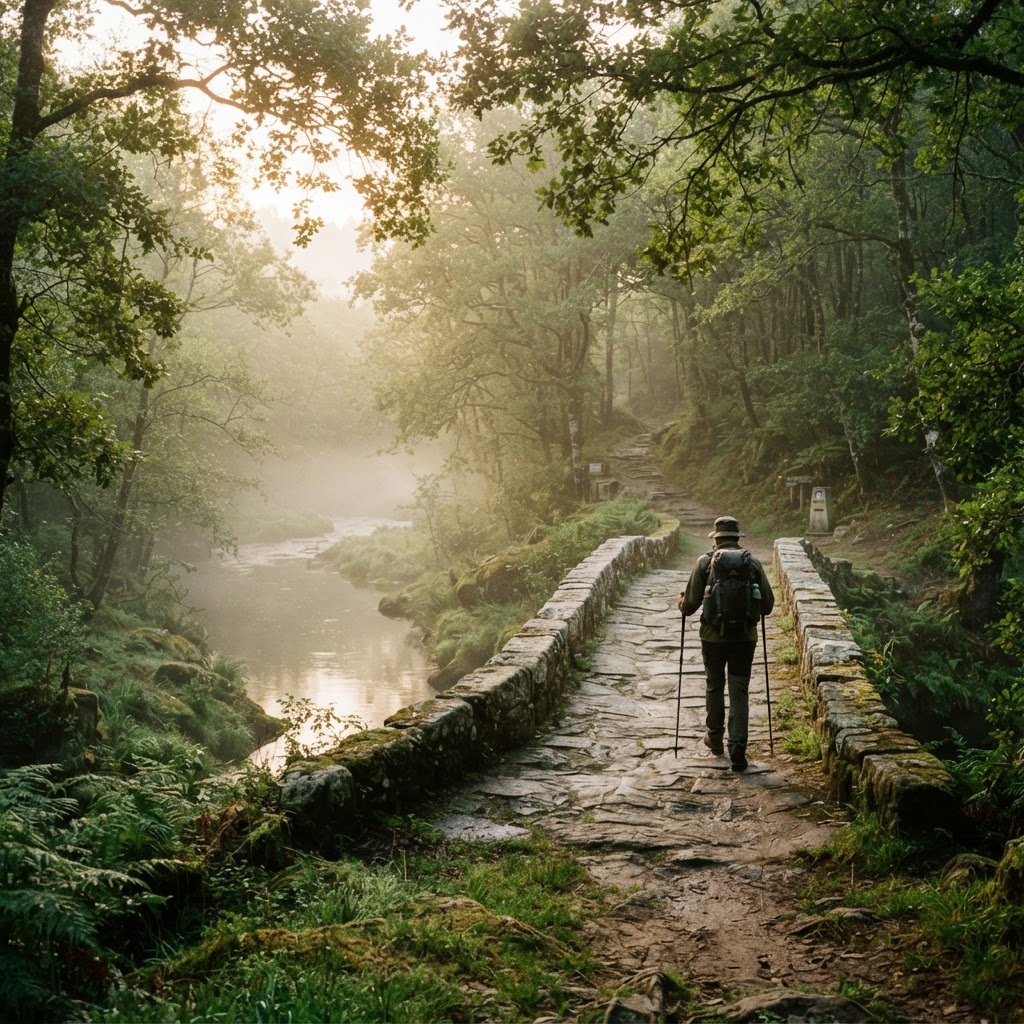
Last 100 km of the Camino: Sarria to Santiago de Compostela
Why the last 100 km from Sarria is the most popular Camino stretch: stages, how it qualifies you for the Compostela, and how to plan it.
Read article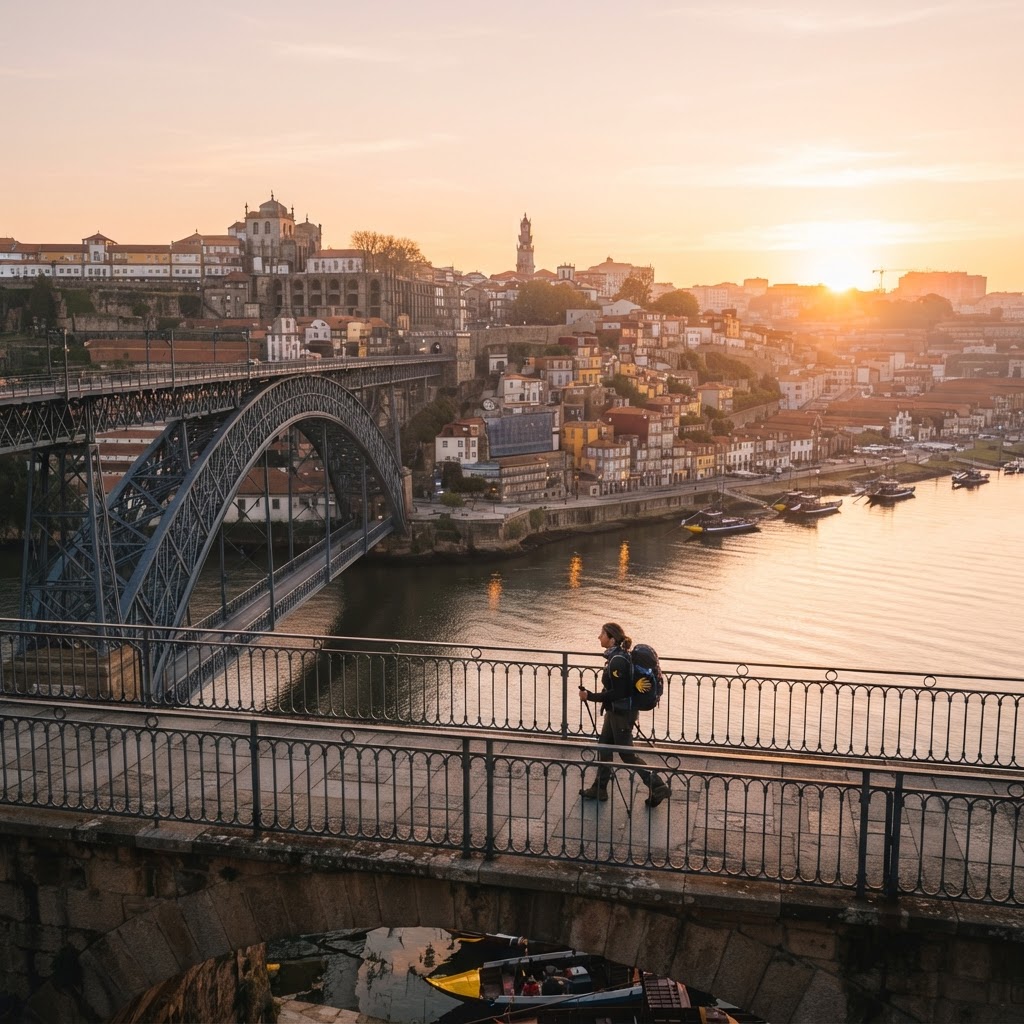
Camino Portugués: Porto to Santiago de Compostela
Walking the Camino Portugués from Porto to Santiago: inland vs coastal variants, distance, stages, and practical planning tips.
Read article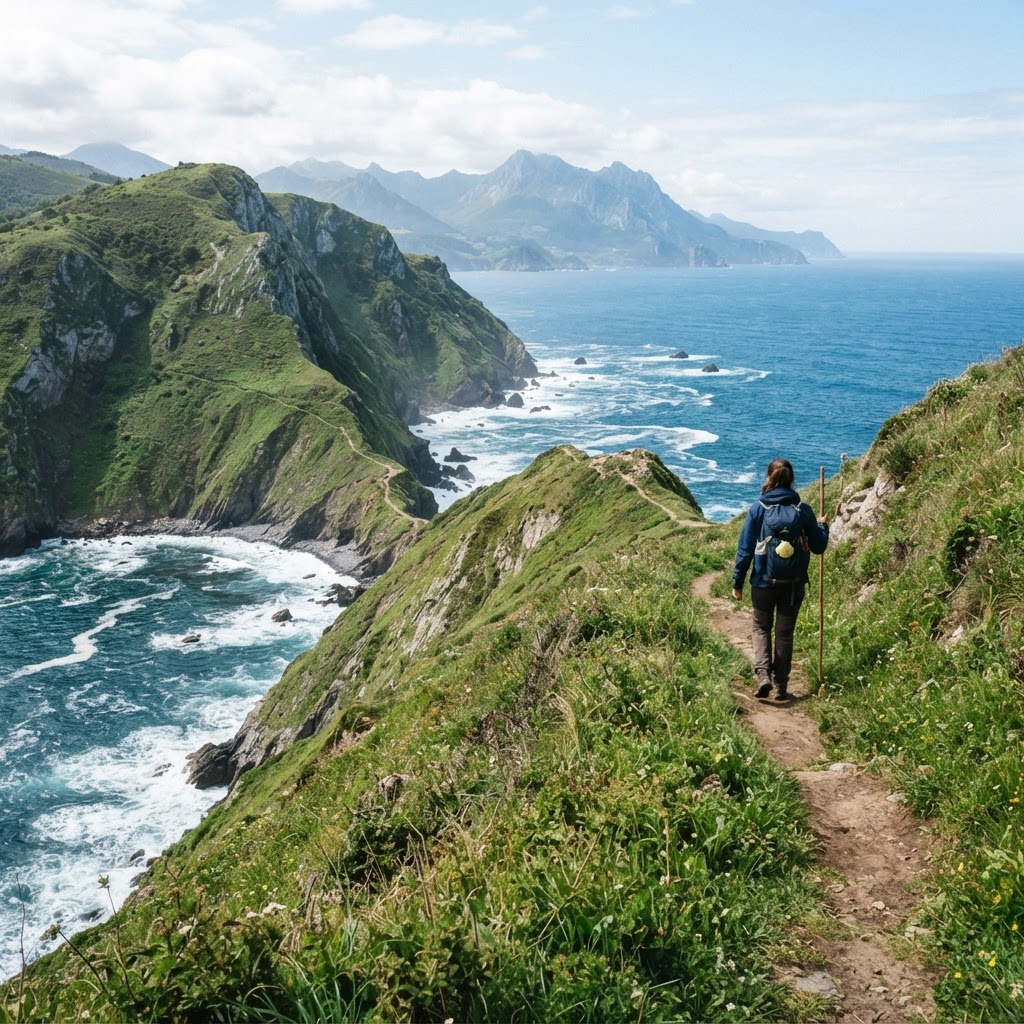
Camino del Norte — Complete Guide to the Northern Way
A complete guide to the Camino del Norte (Northern Way): route, stages, difficulty, coastal scenery, and who this rugged, beautiful path suits best.
Read article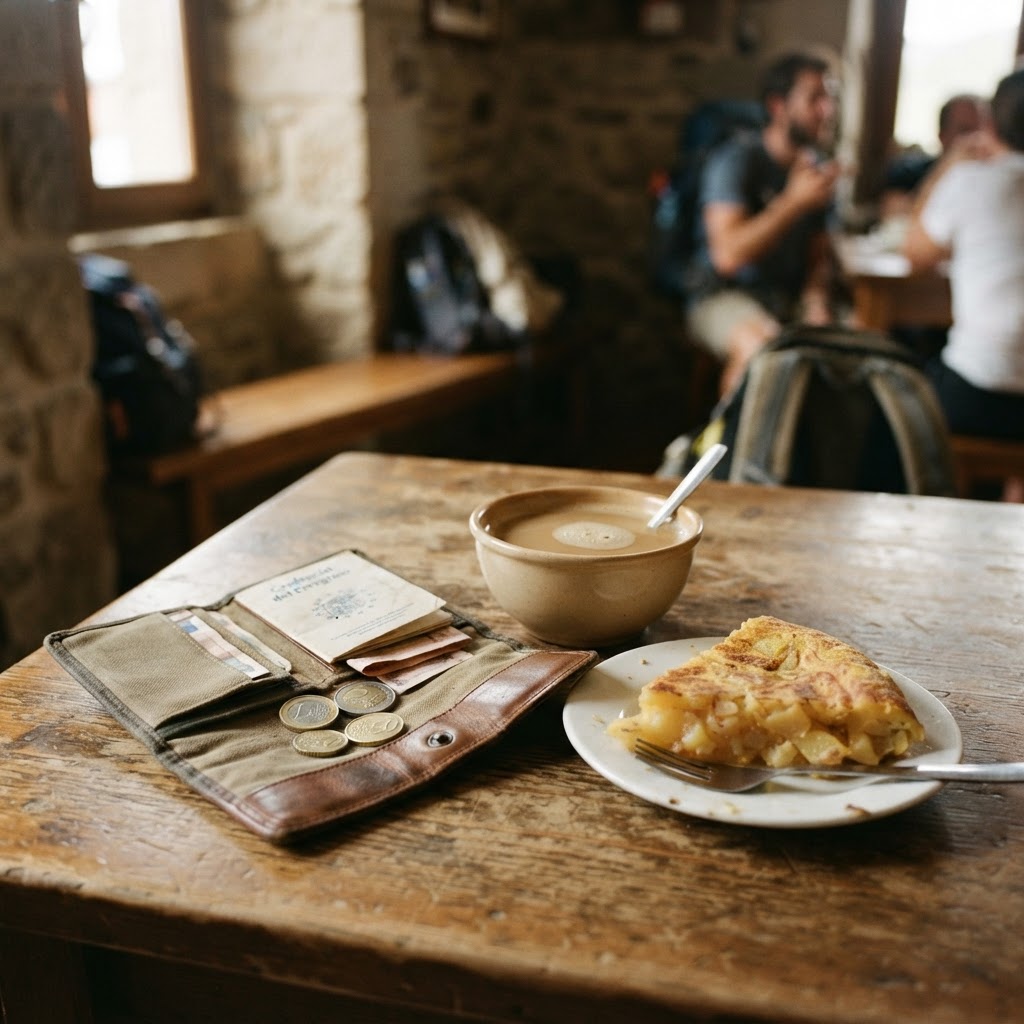
How Much Does the Camino de Santiago Cost? (Budget Guide)
How much the Camino costs: accommodation, meals, transport, and a realistic daily and total budget breakdown for frugal and comfortable pilgrims.
Read article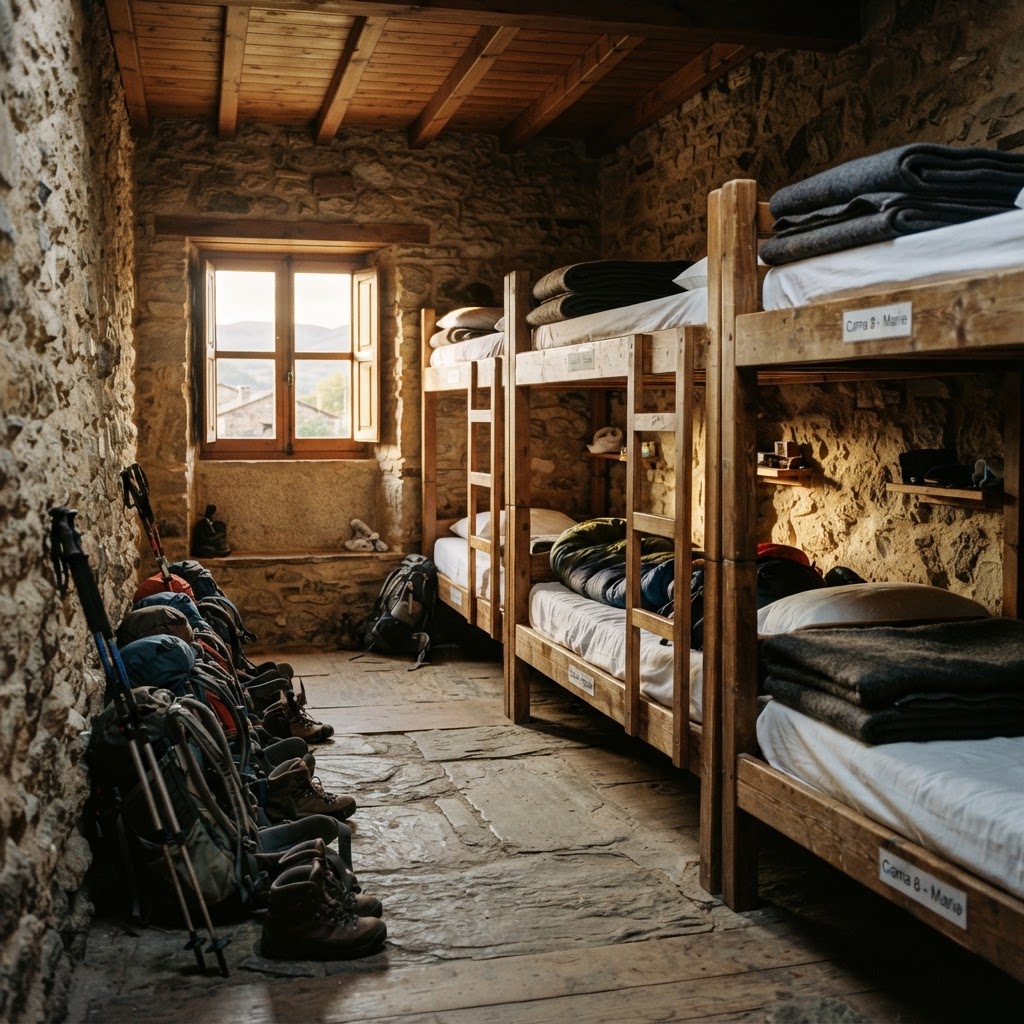
Camino Accommodation Guide: Albergues, Hostels & Hotels
Where to sleep on the Camino: a guide to municipal, parochial, and private albergues, hostels, and hotels — booking, dorm etiquette, and budget tips.
Read article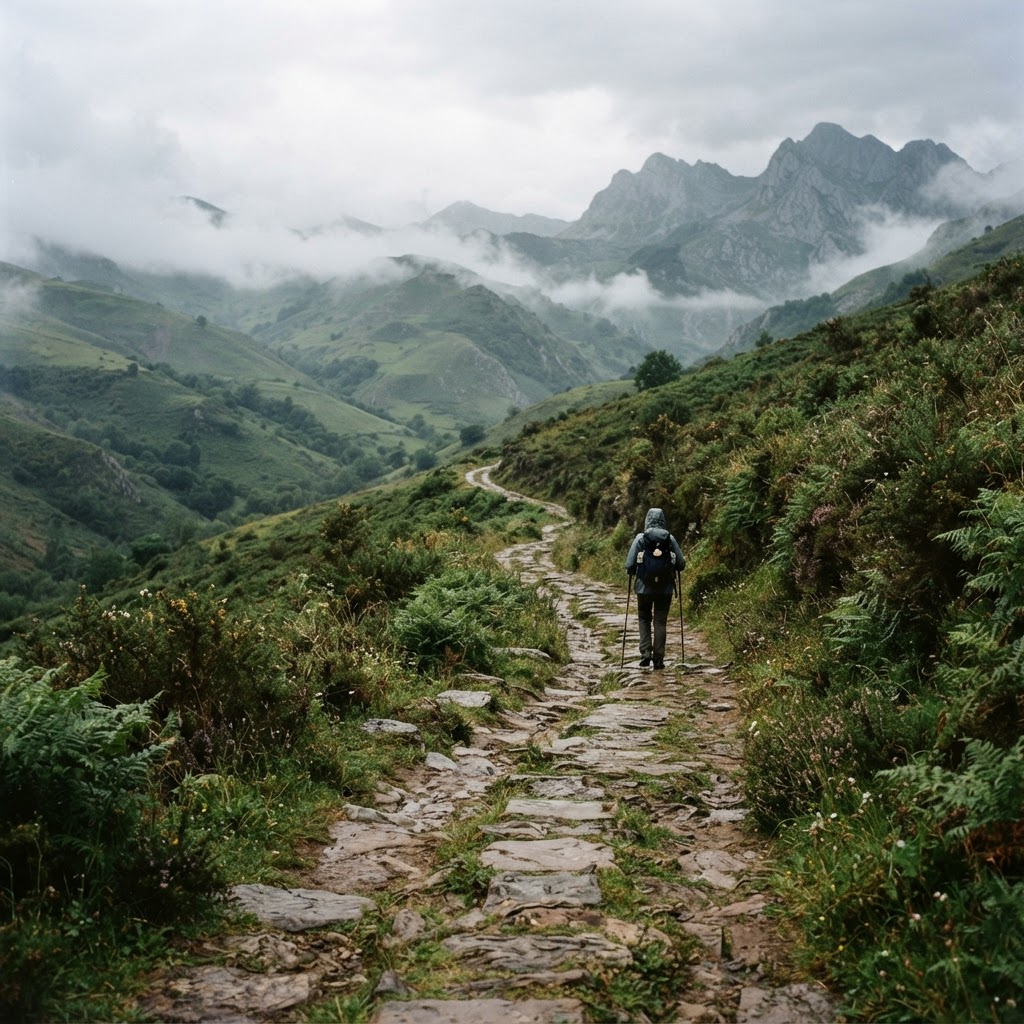
Camino Primitivo — Complete Guide to the Original Way
The Camino Primitivo is the oldest Camino route — a rugged 320 km mountain trail from Oviedo to Santiago through Asturias and Galicia. Stages, difficulty, and who it suits best.
Read article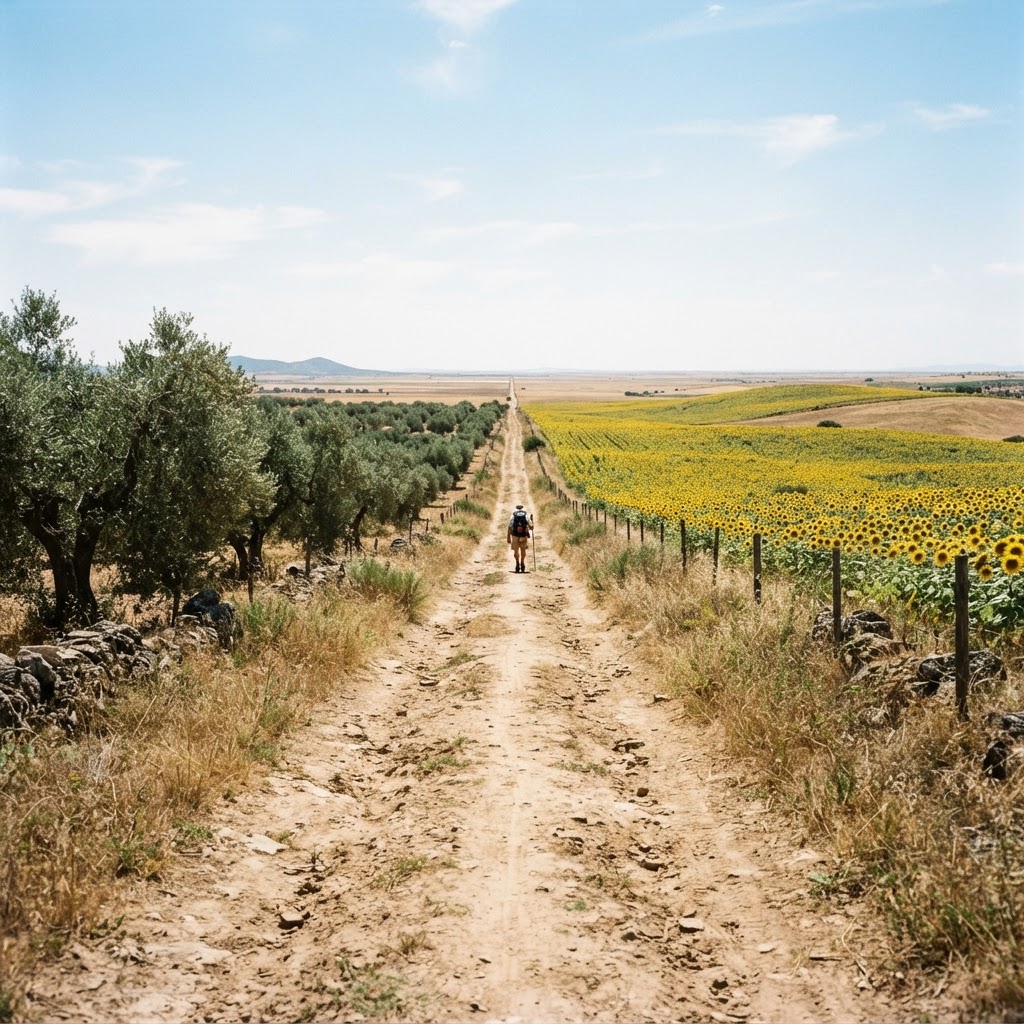
Vía de la Plata — Complete Guide to the Silver Way
The Vía de la Plata is the longest Camino — ~1,000 km from Sevilla to Santiago through Extremadura and Castilla. Stages, heat, history, and how to plan it.
Read article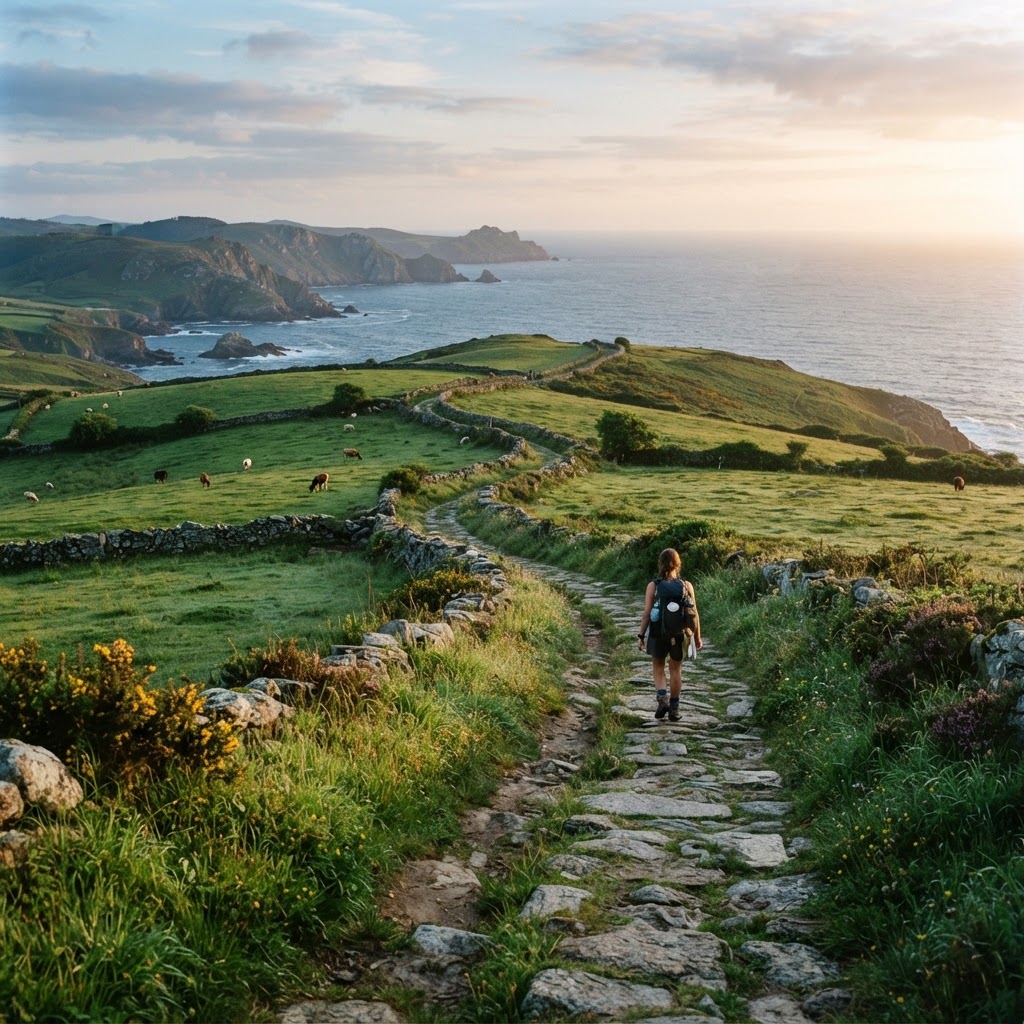
Camino Inglés — Complete Guide to the English Way
The Camino Inglés from Ferrol is the shortest Camino qualifying for the Compostela — ~75 km in 3 days. Stages, how to qualify, and a perfect first Camino.
Read article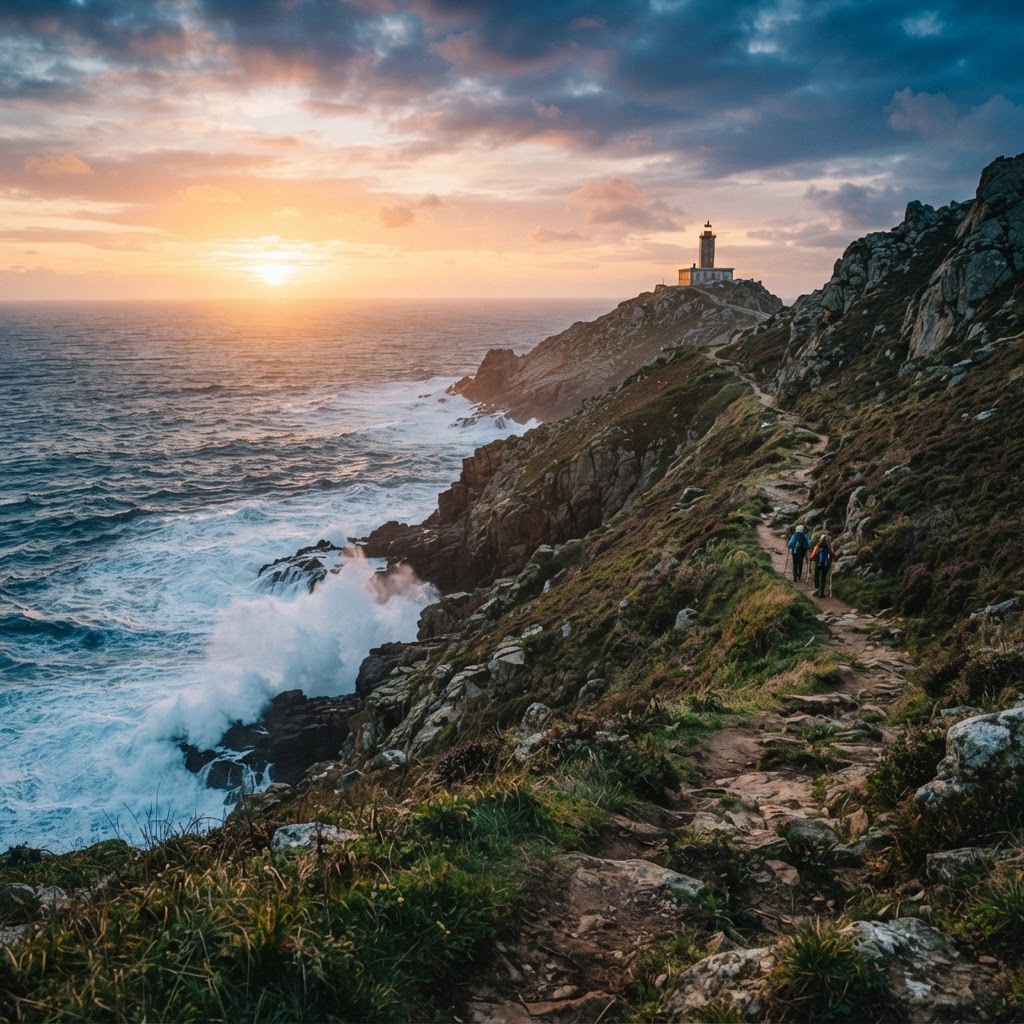
Camino Finisterre–Muxía — Guide to the End of the World
The Camino Finisterre–Muxía is the only route that starts in Santiago and walks to the Atlantic coast — to Finisterre and Muxía. Stages, the lighthouse, and the ritual.
Read article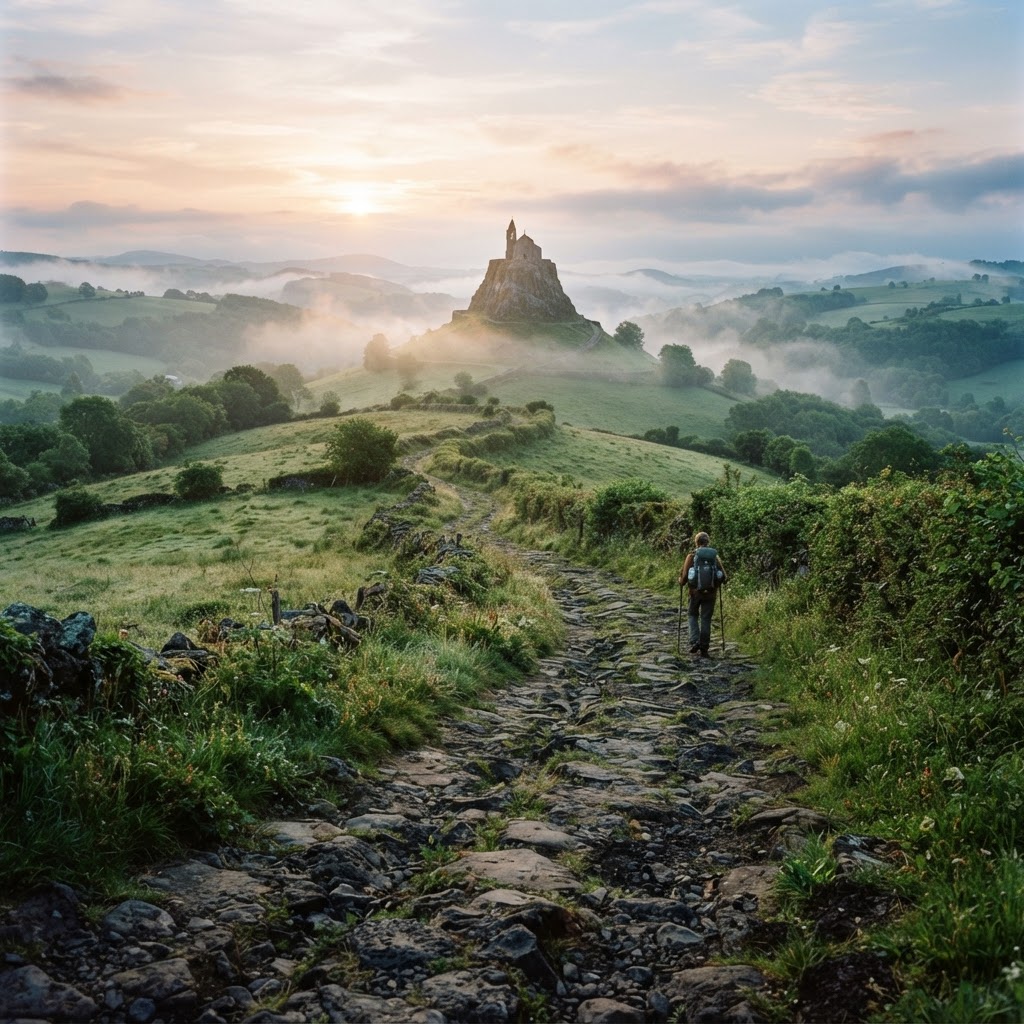
Le Puy Route (Via Podiensis) — Complete Guide
The Le Puy route (GR 65) is the most popular French Camino — ~750 km from Le Puy-en-Velay through southern France to Saint-Jean-Pied-de-Port. Stages, gîtes, and planning.
Read article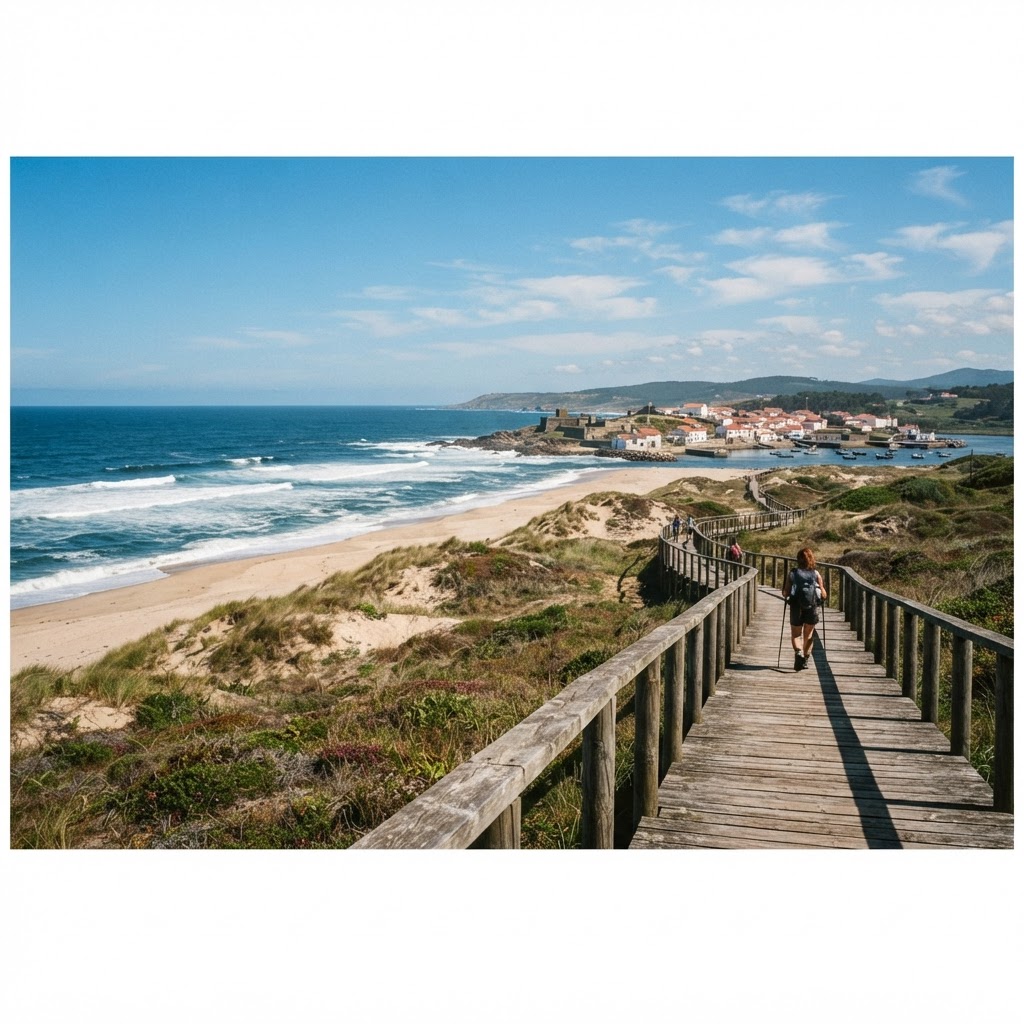
Camino Portugués Coastal — Complete Guide to the Coastal Way
The Camino Portugués Coastal follows the Atlantic from Porto to Redondela, where it joins the central way. Stages, beaches, and the ferry crossing at Caminha.
Read article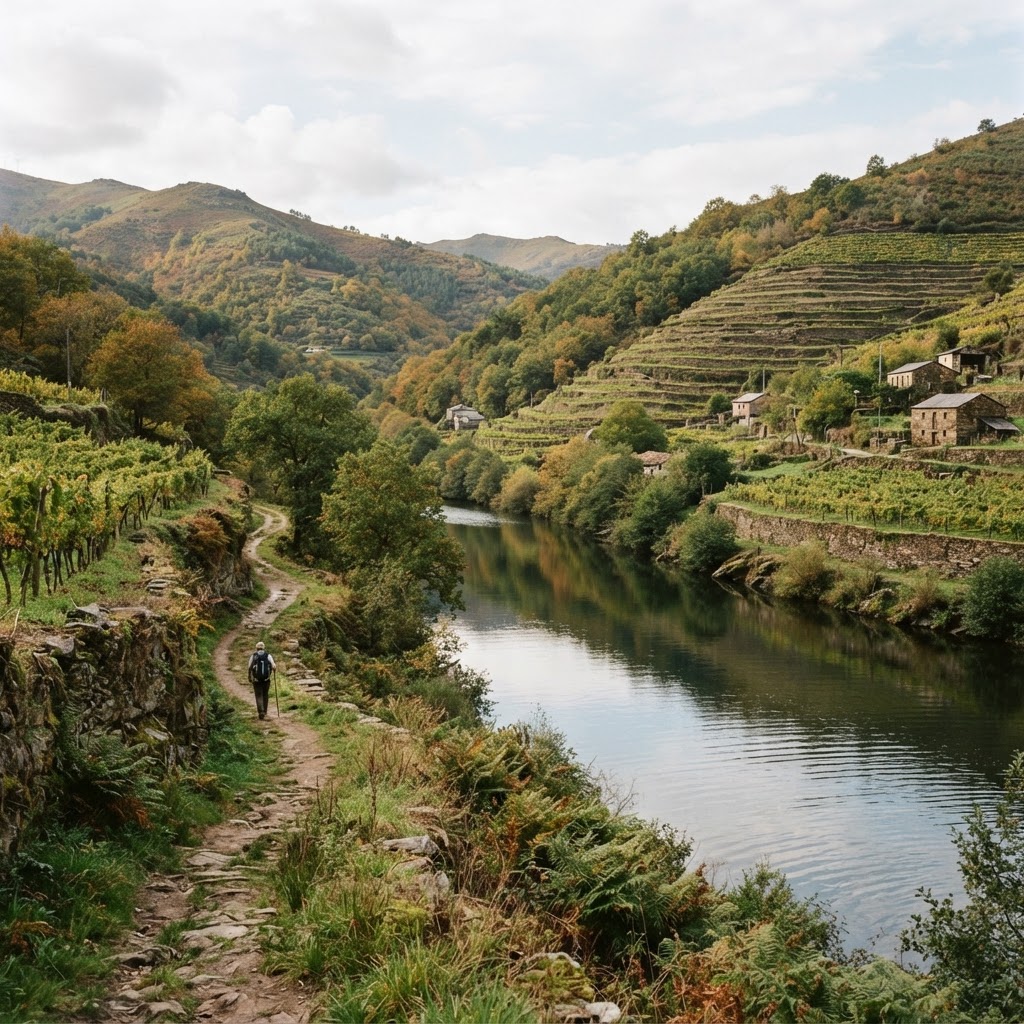
Camino Invierno — Complete Guide to the Winter Way
The Camino Invierno is the historic winter detour off the Francés from Ponferrada through Galicia's Sil canyon — ~260 km of green valleys, vineyards, and solitude.
Read article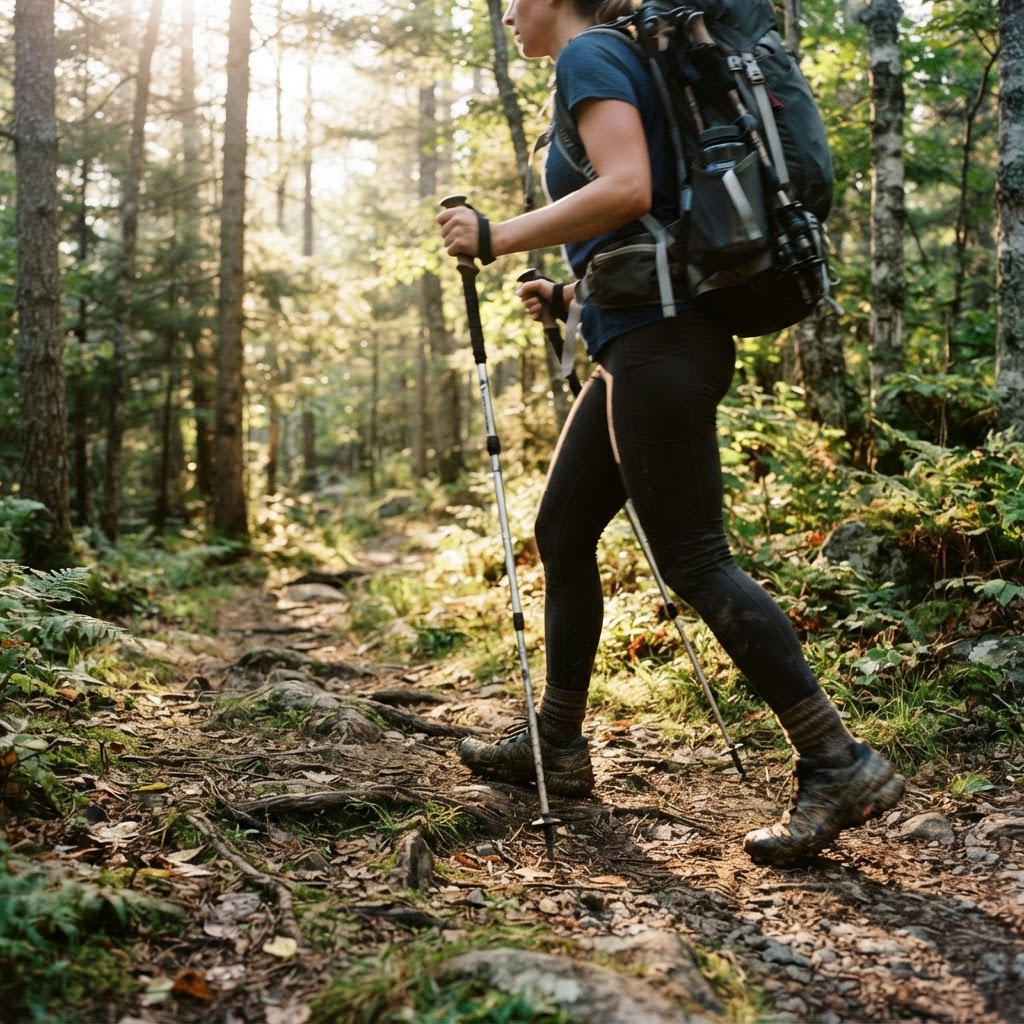
Camino Training Guide — How to Prepare Your Body
A practical Camino training plan: weekly walking targets, back-to-back days, pack weight, and strength work so you arrive strong and finish injury-free.
Read article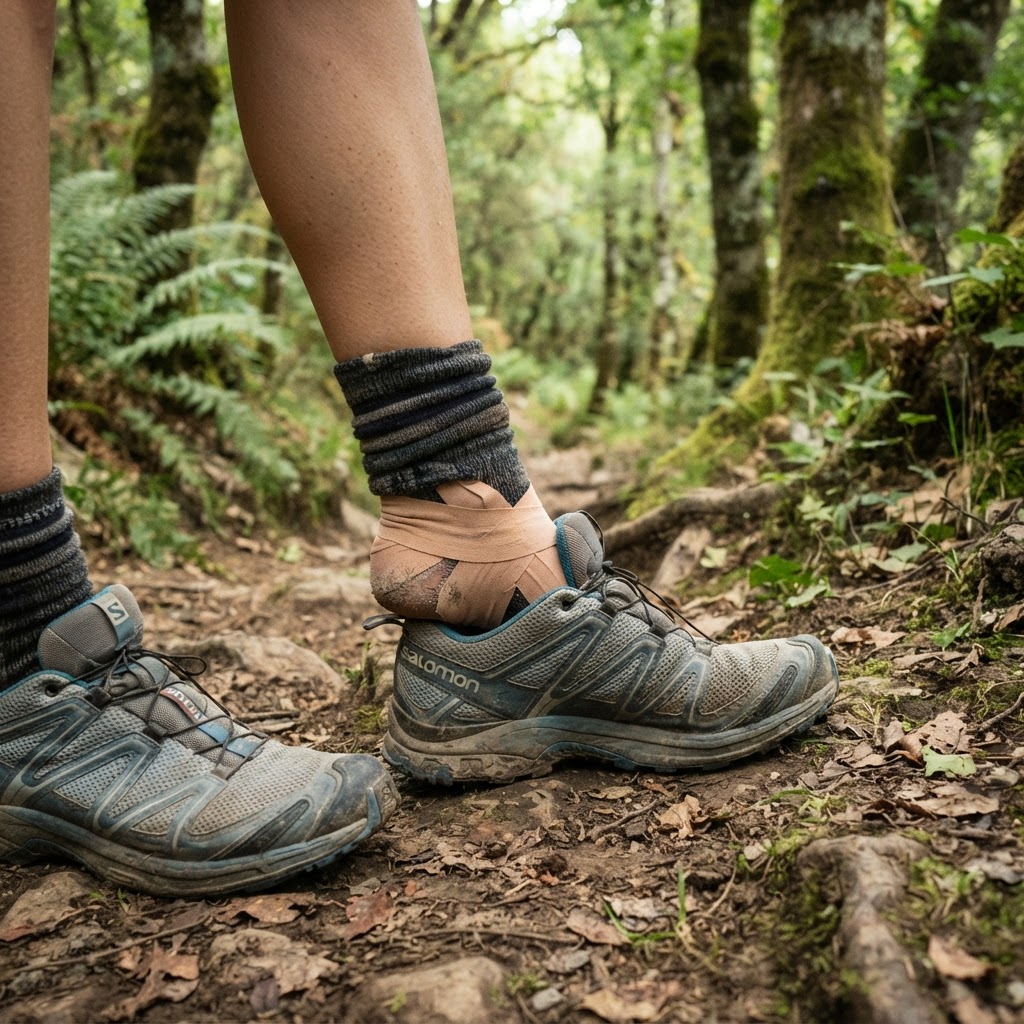
Camino Blister Prevention & Foot Care Guide
Blisters end more Caminos than any other injury. How to prevent them: socks, shoes, taping, hot spots, and the foot-care kit every pilgrim should carry.
Read article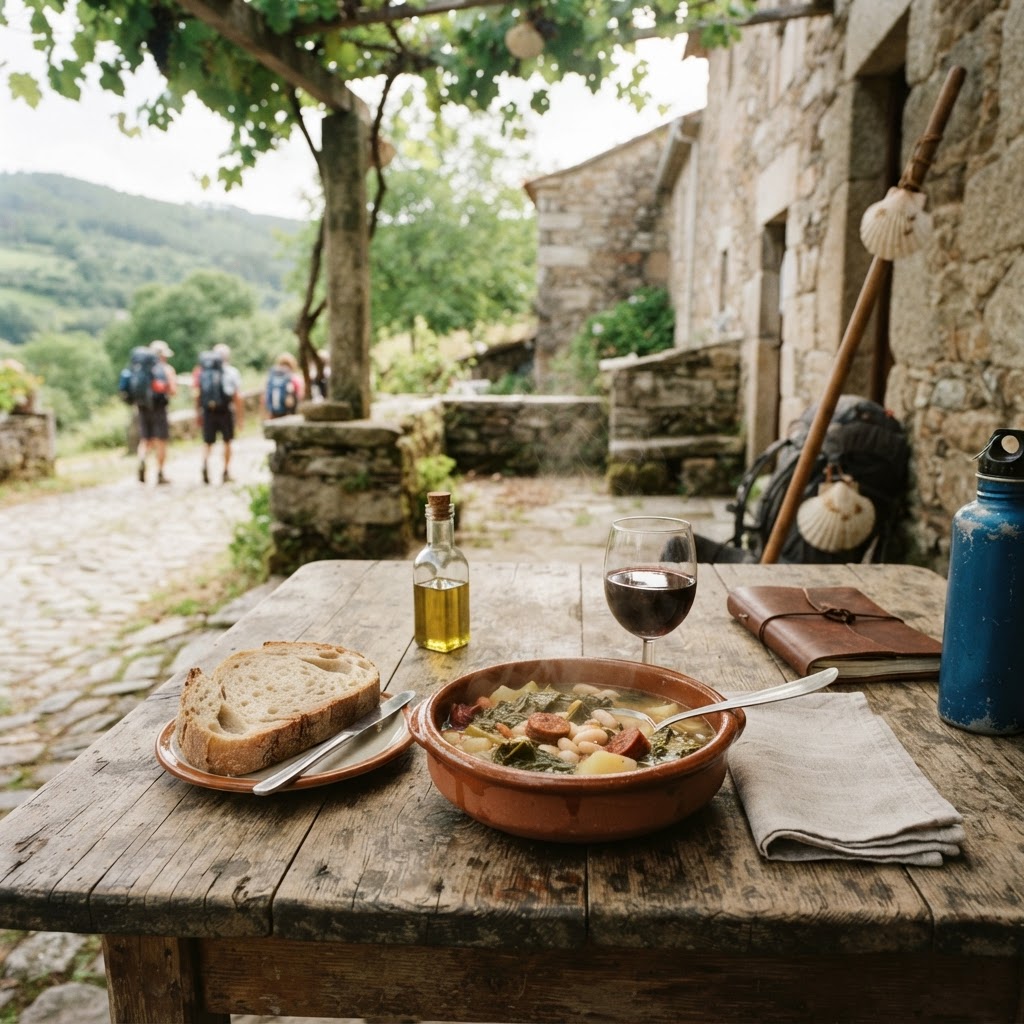
Camino Food Guide — What & Where to Eat
What to eat on the Camino: the menú del peregrino, tapas, caldo gallego, breakfast, and how to eat well on a €15–20 daily food budget.
Read article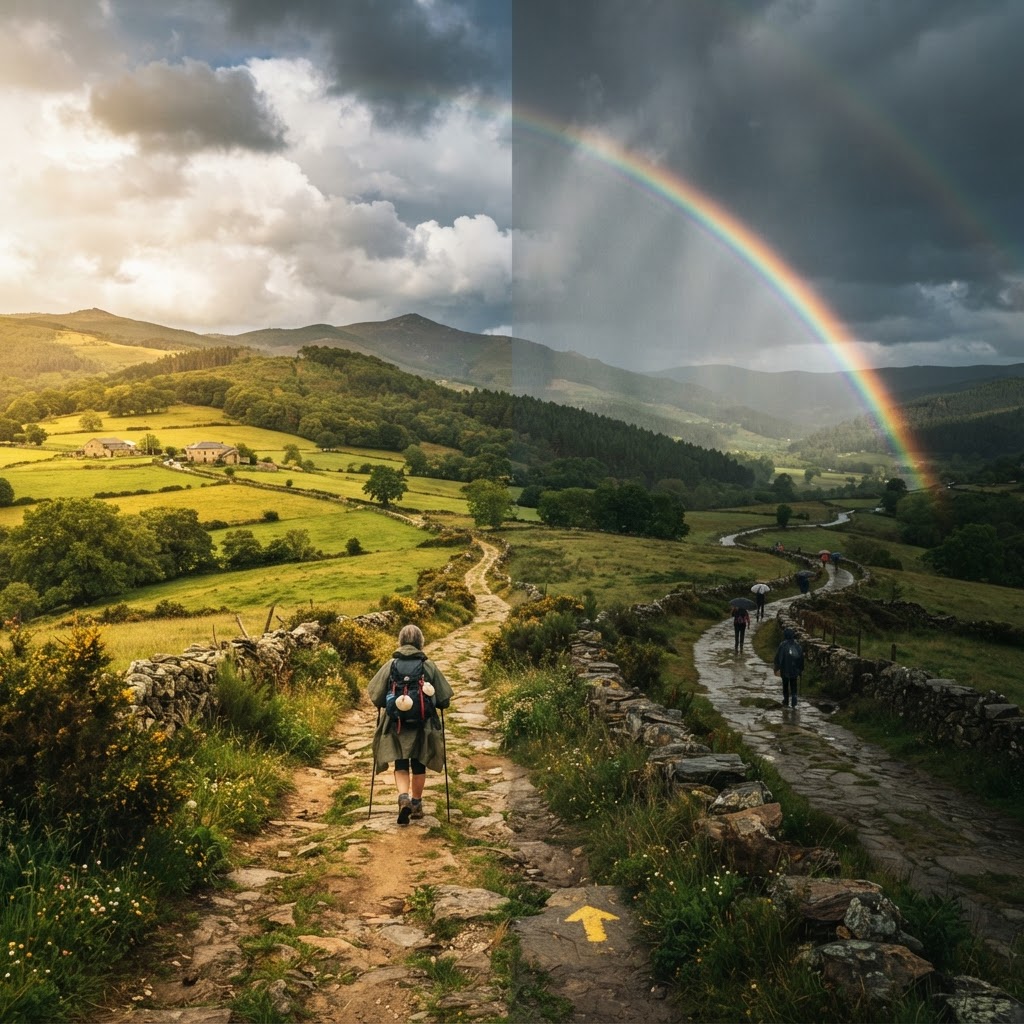
Camino de Santiago Weather & Climate Guide
A region-by-region guide to Camino weather: temperatures and rainfall per month on the Francés, Norte, Plata, and Portuguese — so you pack for the right conditions.
Read article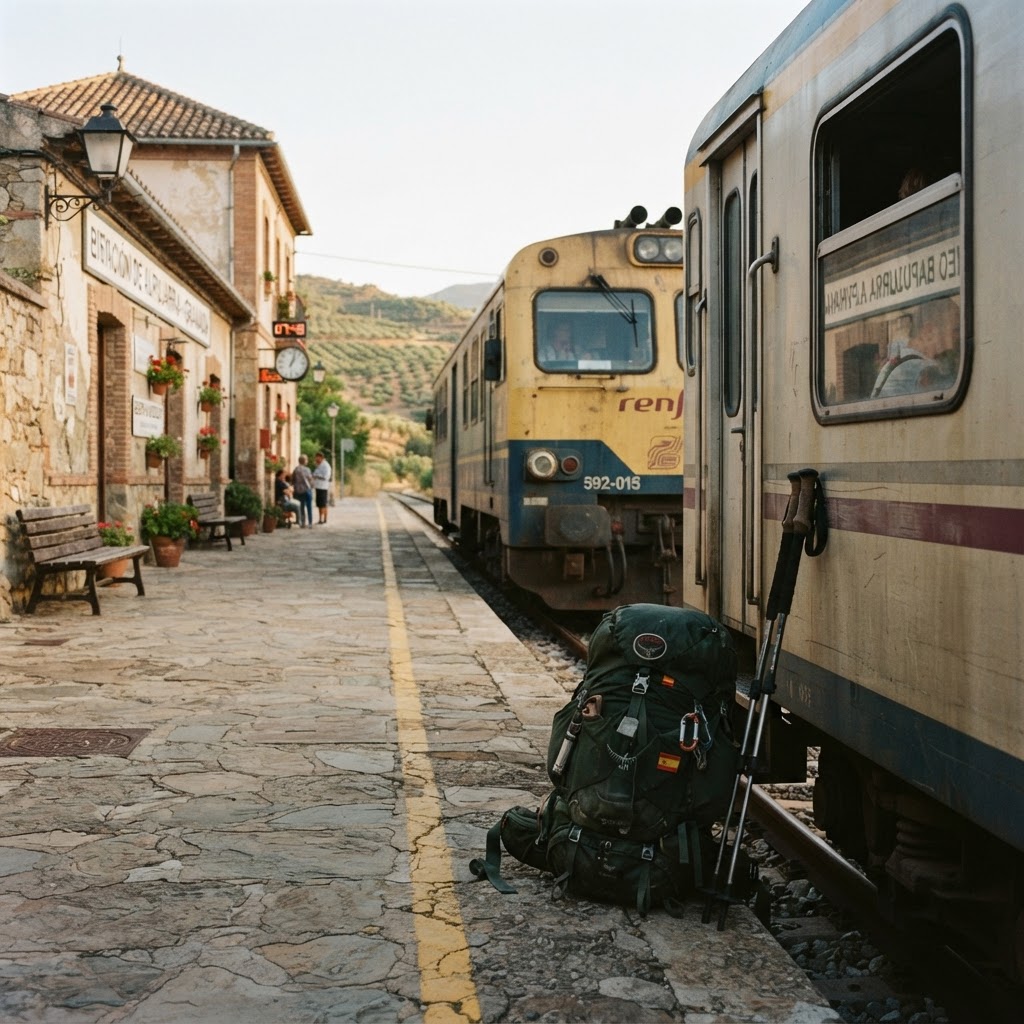
Getting to the Camino — Flights, Trains & Transfers
How to reach every major Camino start point: flights into Madrid/Barcelona/Bilbao/Porto, trains, buses, and the last-mile transfer to trailheads like SJPdP and Oviedo.
Read article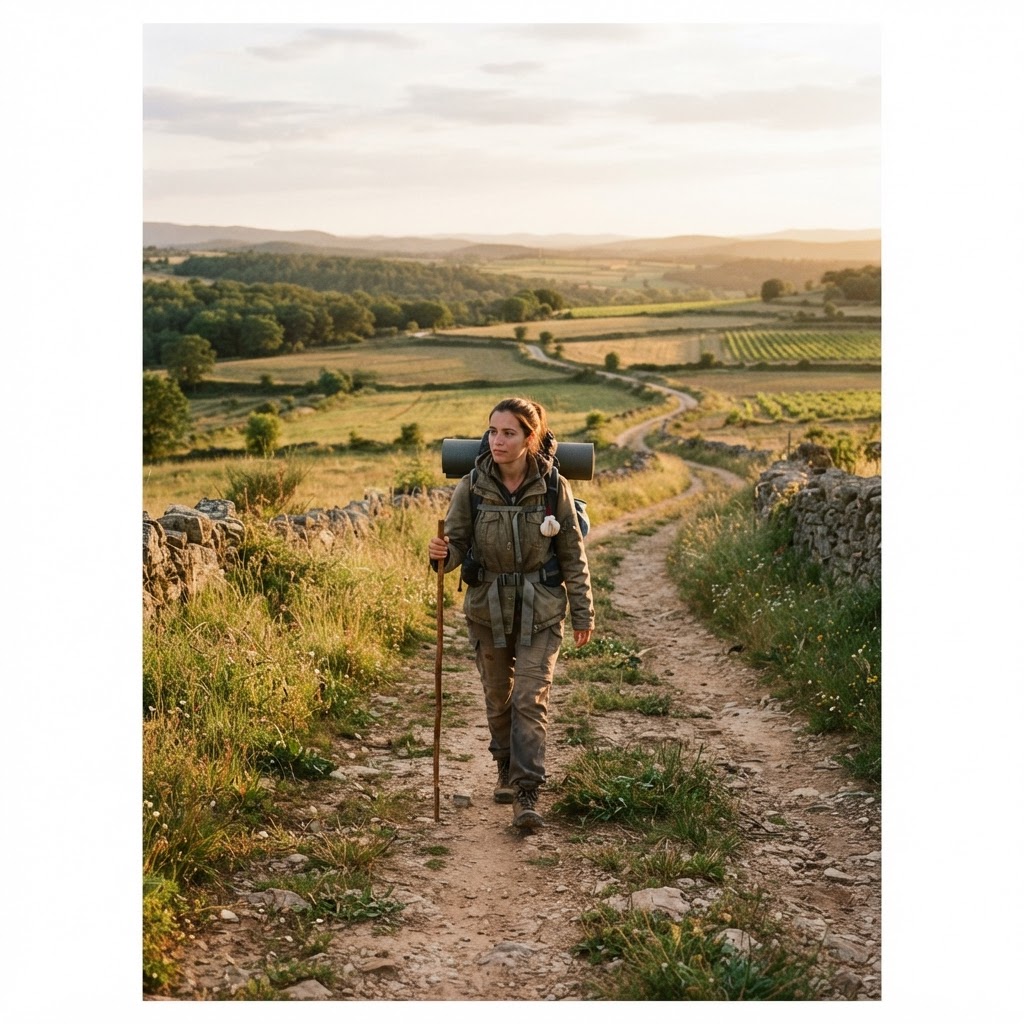
Camino Safety Guide — Solo, Crime & Insurance
Is the Camino safe? A practical safety guide: petty crime in big cities, solo walking, the 112 emergency number, EHIC/travel insurance, and common-sense precautions.
Read article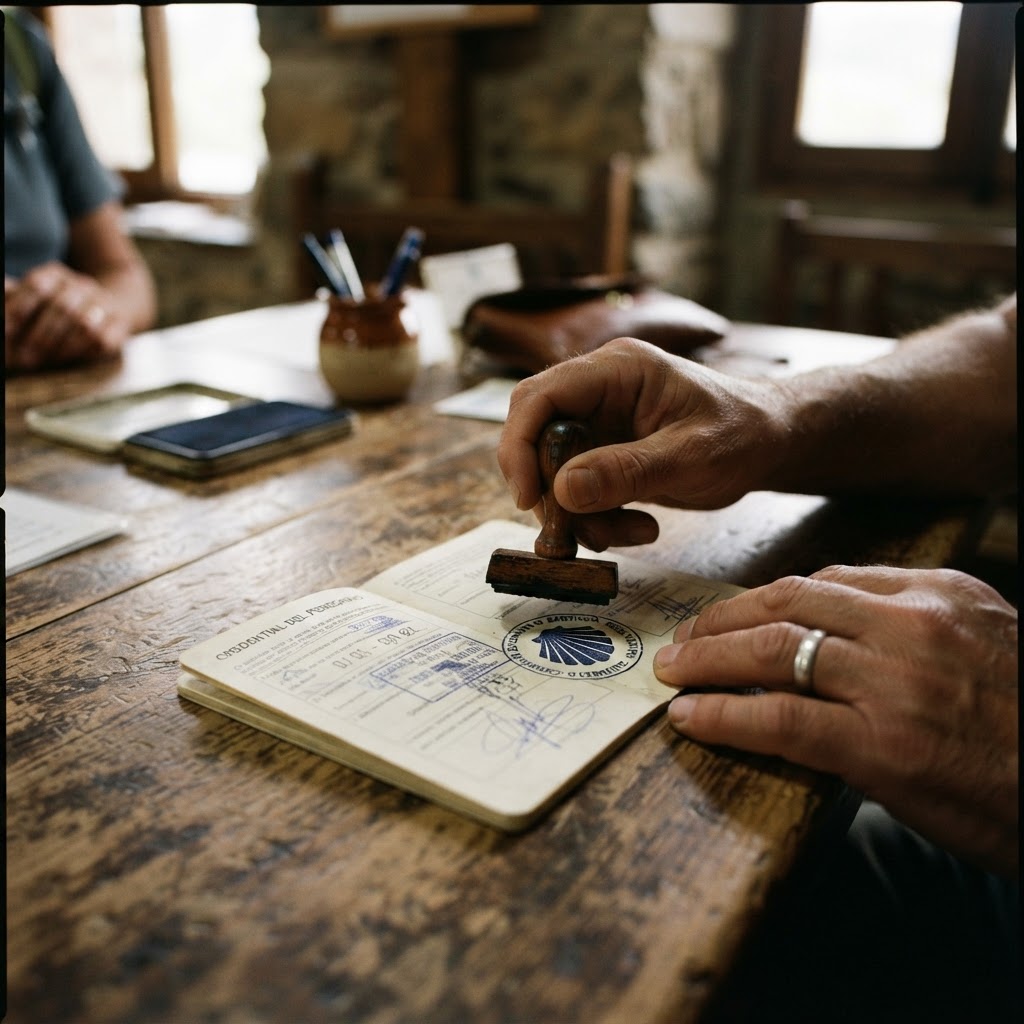
The Compostela & Pilgrim Credential — Full Guide
How to earn the Compostela: the pilgrim credential, where to get it, how many stamps, the last 100 km rule, where to collect it in Santiago, and what it means.
Read article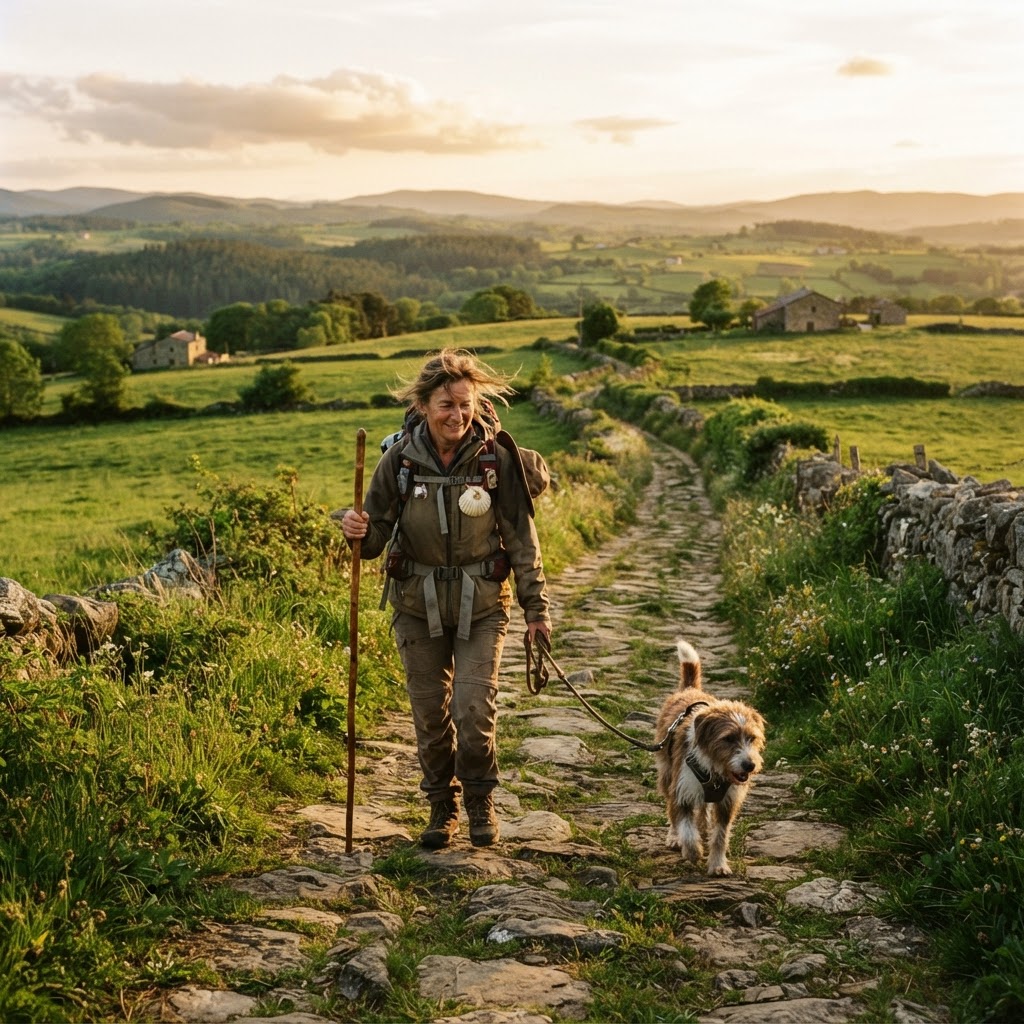
Walking the Camino with a Dog — Complete Guide
Can you walk the Camino with a dog? Yes — but albergues rarely accept them. This guide covers the rules, dog-friendly accommodation, transport, paperwork, and a realistic itinerary.
Read article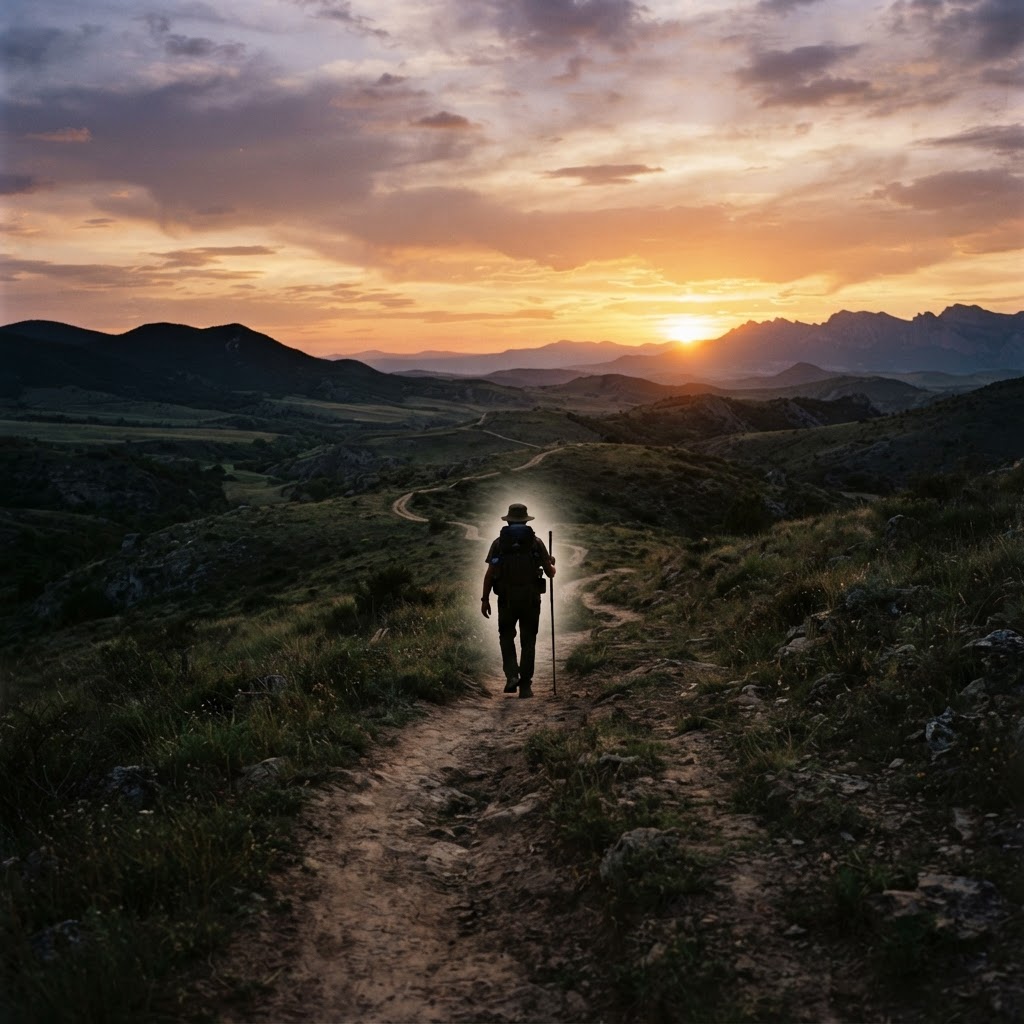
Walking the Camino Solo — A Complete Guide
Walking the Camino alone is safe, rewarding, and the way most pilgrims do it. How to prepare, meet people, stay safe, and find your own rhythm on a solo Camino.
Read article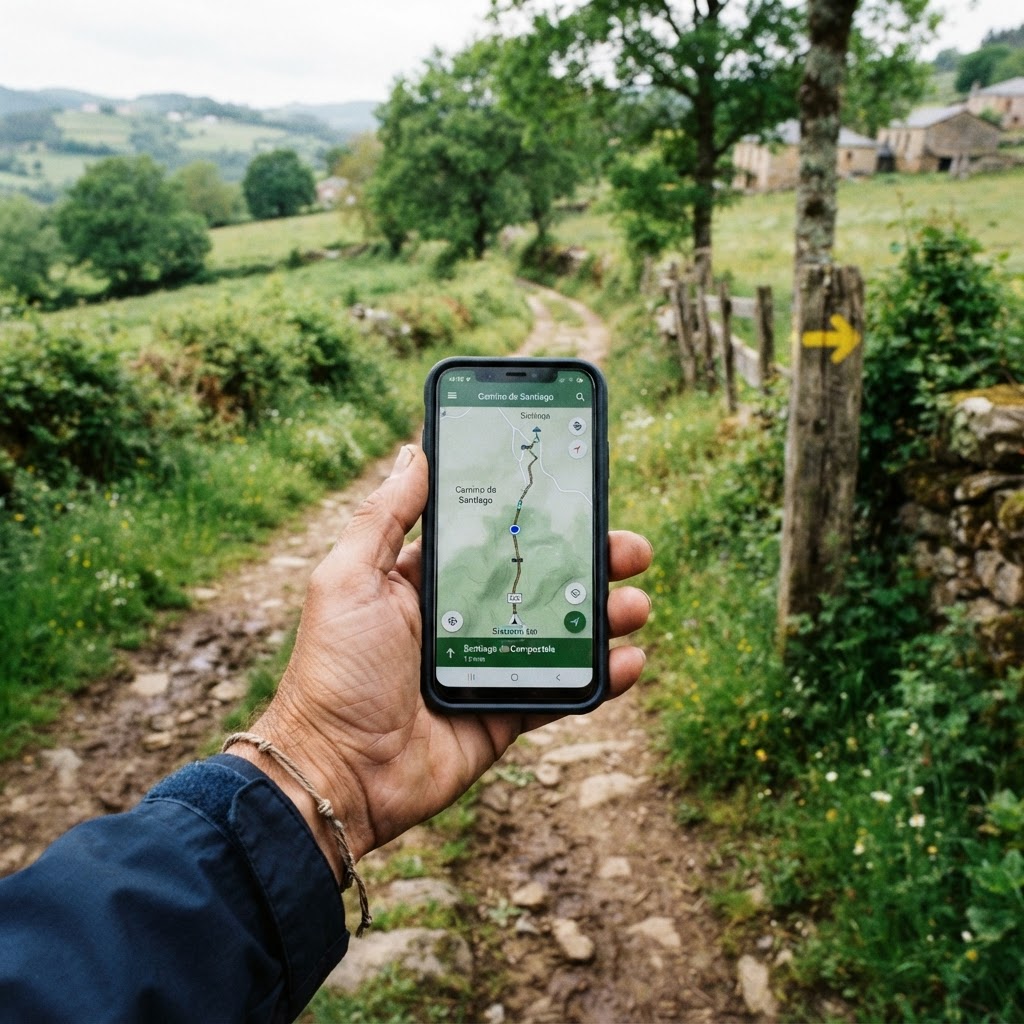
Best Camino Apps & Maps (Offline GPX Guide)
The best Camino apps and maps compared: Buen Camino, Wise Pilgrim, Gronze, OsmAnd, and how to download offline GPX tracks so you're never lost — even without signal.
Read article
History of the Camino de Santiago
From a 9th-century tomb to a million pilgrims a year: the history of the Camino de Santiago, the discovery of St. James' relics, medieval pilgrimage, decline, and modern revival.
Read article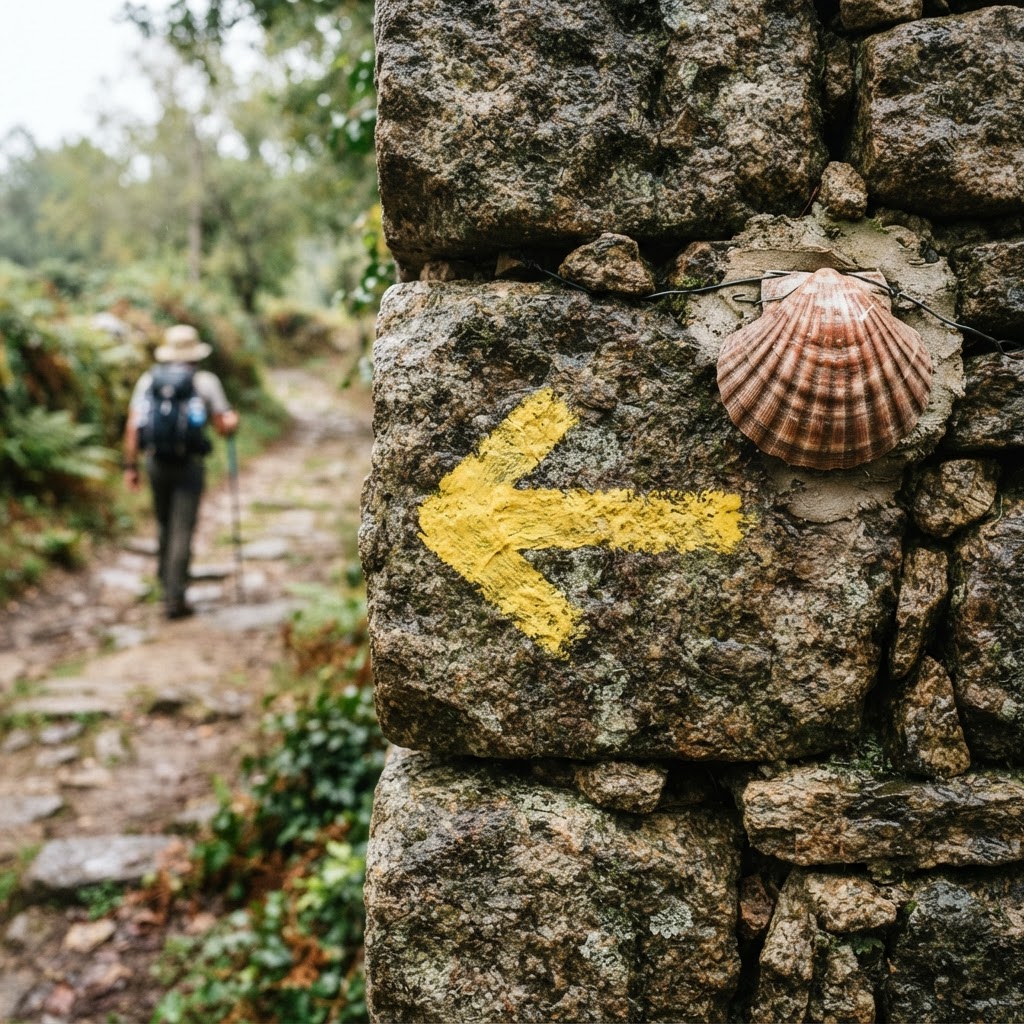
Camino Symbols — The Scallop Shell & Yellow Arrow
Why scallop shells and yellow arrows guide pilgrims on the Camino. The meaning, origin, and how to read the waymarks that mark every route to Santiago.
Read article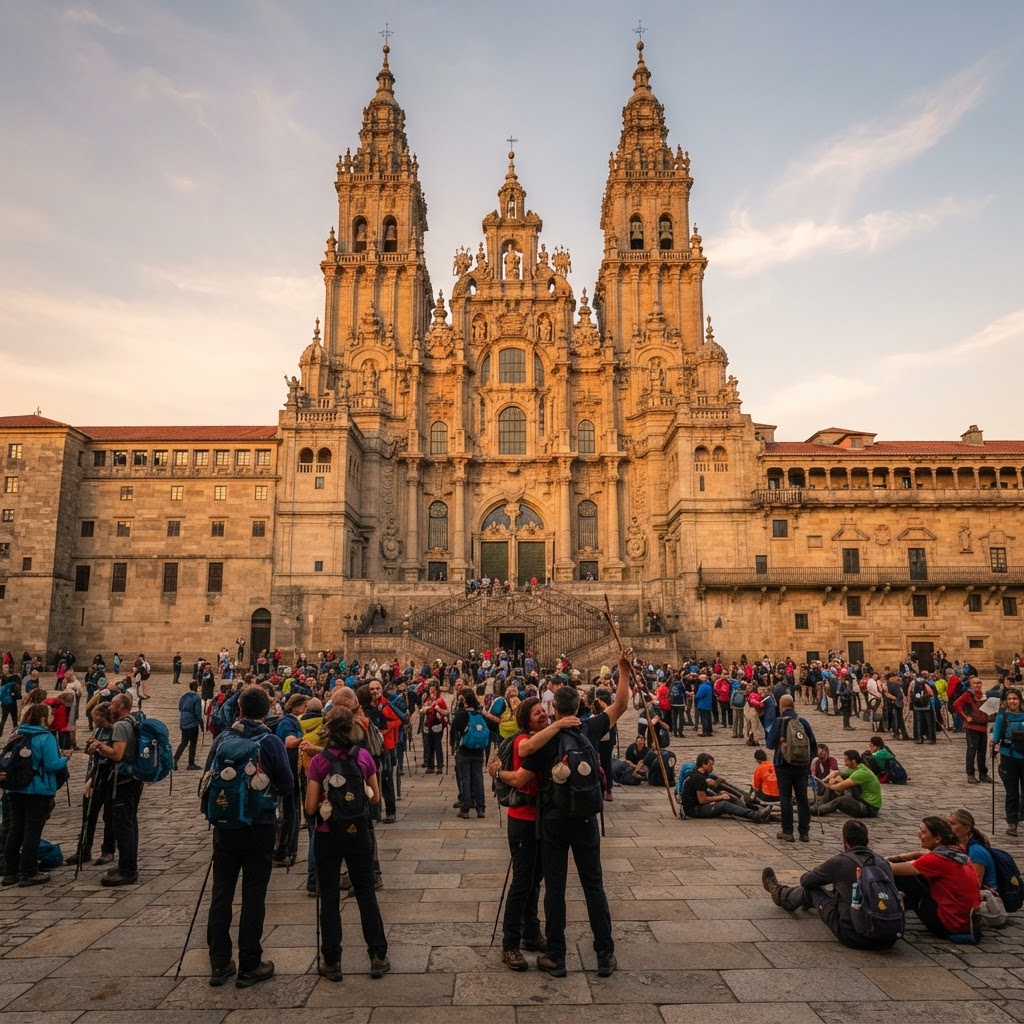
Santiago de Compostela City Guide — What to See at the Finish
Santiago de Compostela is more than the cathedral: a guide to the Praza do Obradoiro, the old town, the pilgrim mass, the botafumeiro, and where to eat and stay at the finish.
Read article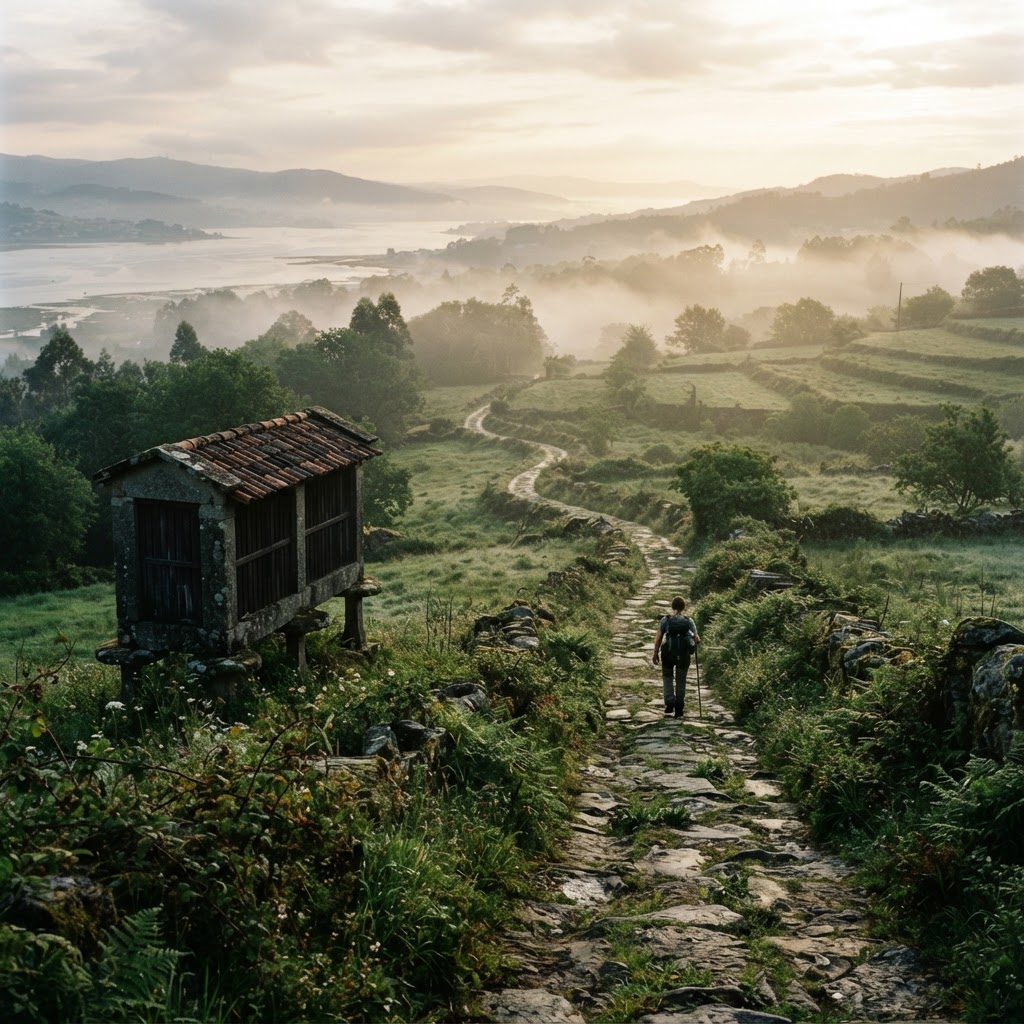
Camino Portugués Spiritual Variant — Pontevedra to Santiago
The Spiritual Variant branches off the Portuguese Way at Pontevedra, climbs to the Armenteira monastery, follows the Stone Path to Vilanova de Arousa, and crosses the Ría de Arousa by boat (the Traslatio) to Padrón. ~100 km, 4 days, qualifies for the Compostela.
Read article
Walking the Camino Solo in Your 20s & 30s — A Guide for Young Pilgrims
Is the Camino for young people? Absolutely. Why going solo and self-guided is the smartest (and cheapest) way to walk it — safety, costs, albergue culture, and how to start.
Read article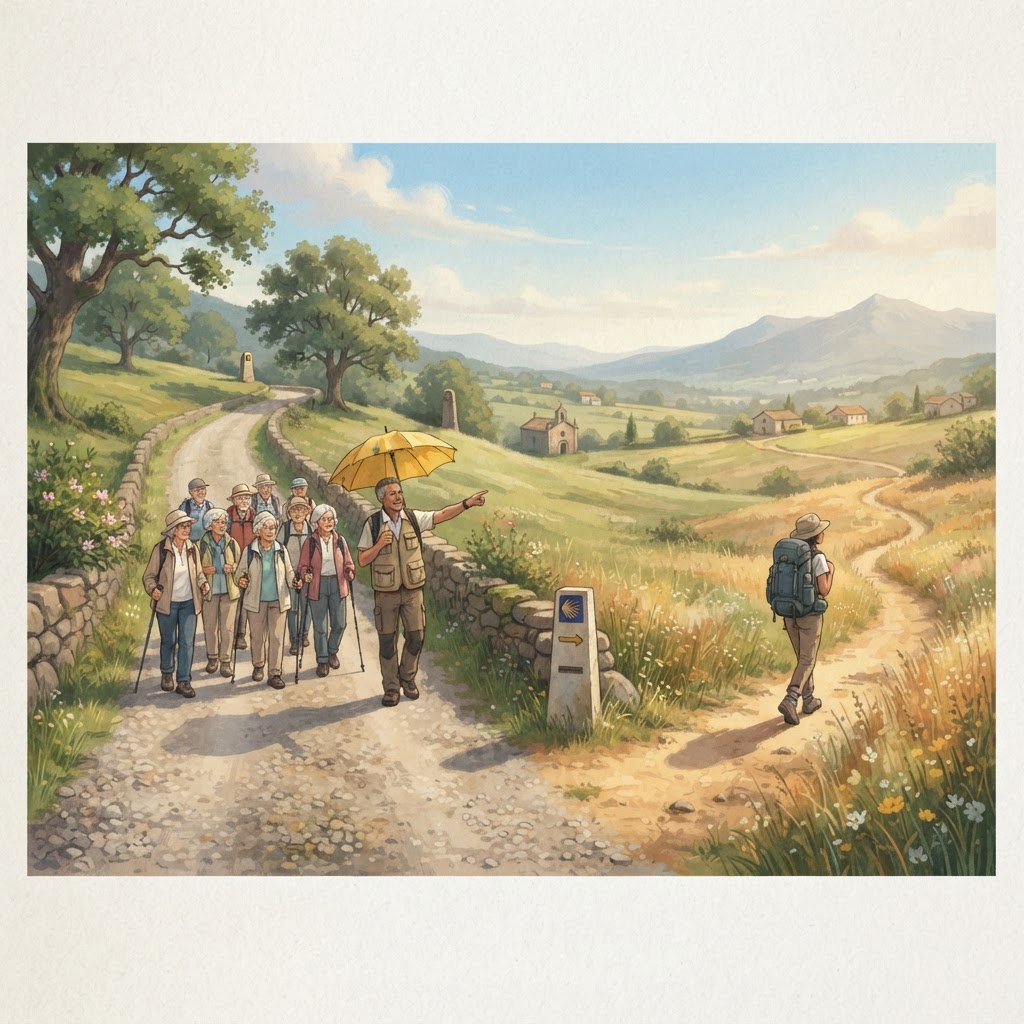
Self-Guided Camino vs. Organized Tour — The Honest Cost Comparison
A €300 self-guided Camino or a €1,500 package? Compare costs, flexibility, luggage transfer, navigation and who each option really suits — plus when a tour makes sense.
Read article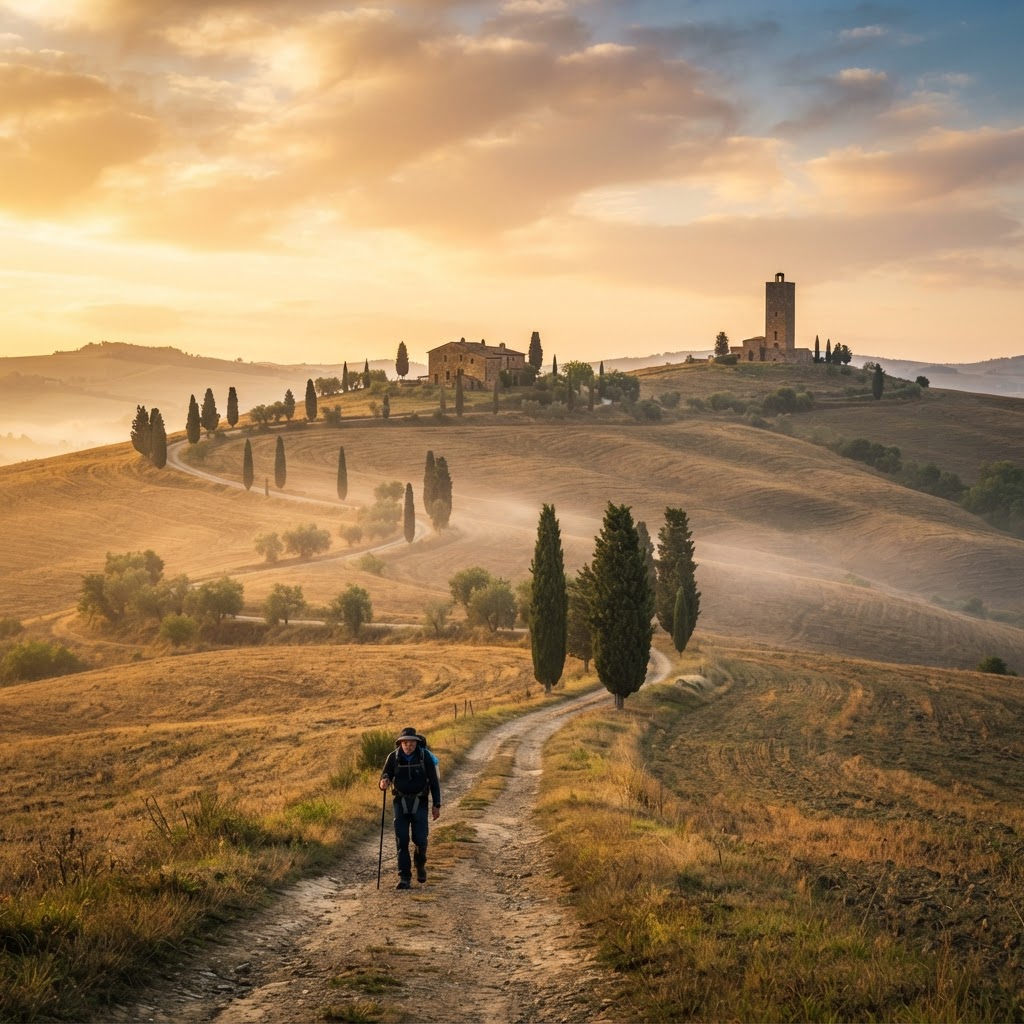
Via Francigena — Complete Guide: Canterbury to Rome
The Via Francigena is Europe's Rome pilgrimage — ~2,000 km from Canterbury through France, Switzerland and Italy. Stages, the Testimonium, planning, and how it compares to the Camino de Santiago.
Read article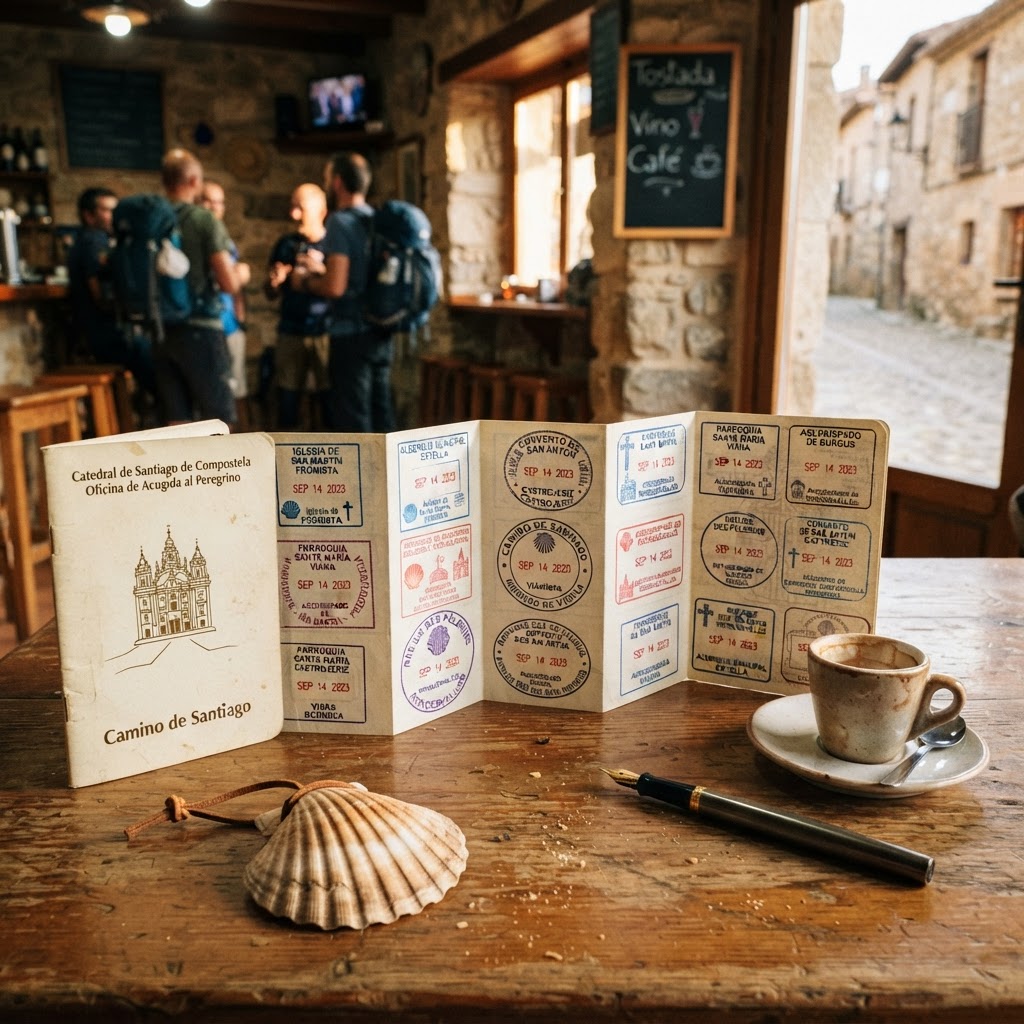
Camino Credential & Stamps — Where to Get Them and How Many You Need
The pilgrim credential and its stamps: where to buy the credencial (~€2), where to collect sellos (albergues, churches, bars, town halls), how many stamps the Compostela requires, and what to do if you lose it.
Read article