Finding the perfect place to rest after a long day of walking is a vital part of your journey. Whether you are trekking the iconic Camino Francés or exploring the scenic Camino Portugués, understanding the diverse range of Camino accommodation will help you prepare for a comfortable pilgrimage.
Types of Pilgrim Hostels
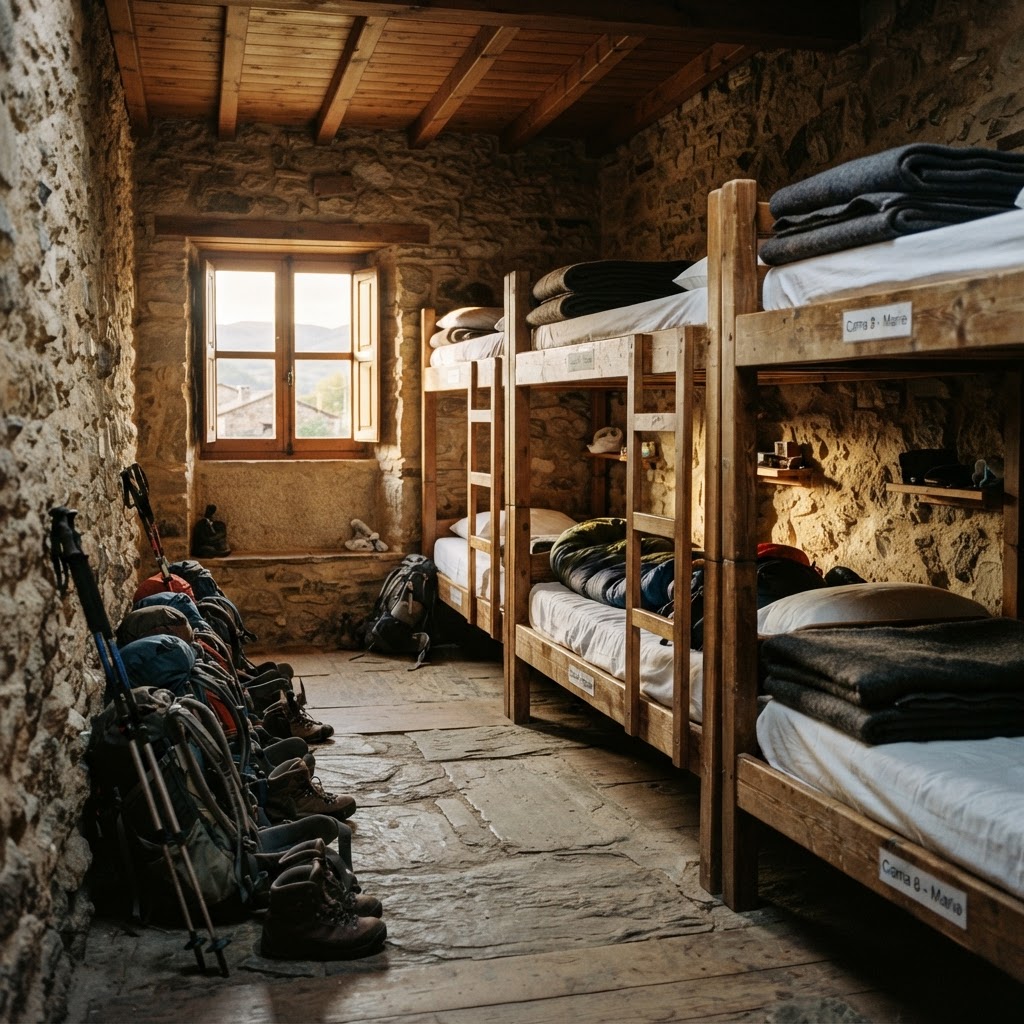
The most authentic experience is found in albergues, which are specialized pilgrim hostels. Municipal albergues are government-run and affordable, while parochial albergues are managed by churches and often operate on a donativo basis, where you pay what you can afford. Private albergues typically offer more amenities, like laundry services or smaller dorms, for a set nightly fee. For those seeking extra privacy, many towns also offer traditional hostels or hotels to ensure a restful night.
Booking and Logistics
Deciding whether to book in advance or walk in depends on your travel style and the popularity of your route. While popular sections like Sarria require early reservations during peak season, many pilgrims prefer the spontaneity of finding a bed upon arrival. If you choose to walk in, it is wise to start your search early in the afternoon. Consider these tips to keep your logistics stress-free:
- Use Baggage transport to lighten your daily load.
- Pack earplugs and an eye mask for shared dorms.
- Keep your pilgrim passport (credencial) handy for check-in.
- Review Gear & packing tips to ensure you have a travel-sized towel.
Mastering Dorm Etiquette
Living in a shared space requires mutual respect. Most albergues enforce strict quiet hours starting at 10:00 PM, and lights are usually turned off shortly after. To maintain harmony, avoid packing or unpacking your bag in the middle of the night—use a designated area instead. If you are a light sleeper, look for private albergues that offer "no-snore" rooms or curtained bunks for extra privacy.
Budgeting for Your Stay
Where to stay on the Camino de Santiago can significantly impact your daily budget. Municipal and donativo spots are the most economical, while private hotels will increase your costs. Regardless of where you stay, you can save money by utilizing communal kitchens to cook your own meals. Always keep a mix of cash and cards, as some smaller rural hostels may not accept digital payments.
FAQ
Do I need a pilgrim passport to stay in albergues?
Yes, a credencial is essential for staying in any official pilgrim accommodation. It serves as proof that you are walking the route and is stamped at each stop.
Can I book private albergues online?
Many private hostels allow you to book through their websites or third-party platforms. However, municipal and parochial albergues typically function on a first-come, first-served basis.
What should I do if albergues are full?
Don't panic; local tourism offices can help you find nearby guesthouses or hotels. Exploring All Camino routes can help you identify areas with higher accommodation density to avoid this issue.
Plan your Camino
Navigating your nightly stops is much easier once you understand the rhythm of the trail. If you are still in the early stages of your journey, Getting started can provide the foundation you need. Once you are ready to map out your stops and budget, Plan your Camino.
Explore all Camino routes
Camino de Santiago
Plan your Camino
Where to sleep on the Camino: a guide to municipal, parochial, and private albergues, hostels, and hotels — booking, dorm etiquette, and budget tips.