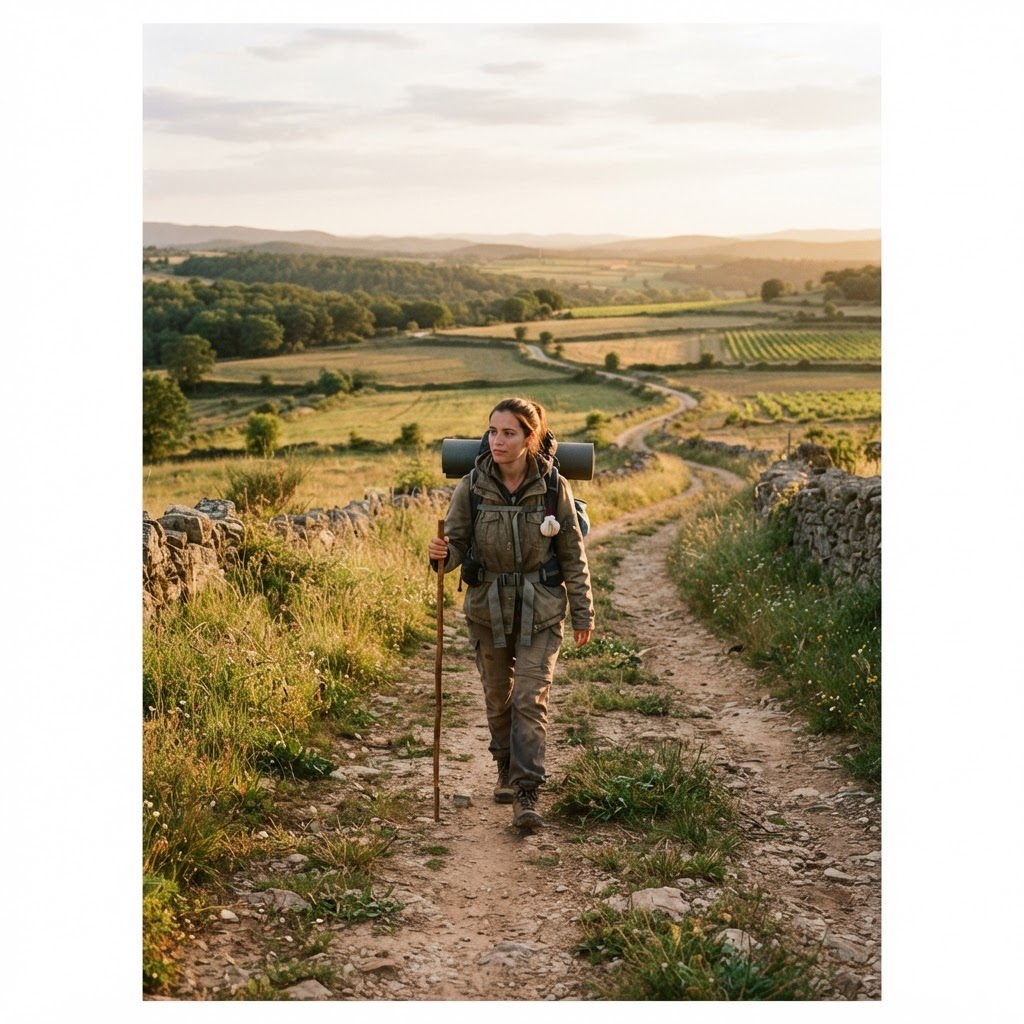
The Camino de Santiago is one of the safest long-distance walks in the world. Violent crime is almost unheard of on the trail. But common-sense precautions matter — especially in the big cities at the start and finish. Here is a practical safety guide for the Camino.
On the trail
- Stay aware in cities — Pamplona, Burgos, León, Santiago — where petty theft (pickpockets, bag snatching) happens. Use albergue lockers and don't leave valuables unattended.
- Carry only what you need each day; split passports, cards, and cash between your pack and a hidden money belt.
- Trust your instincts. The Camino community is warm and trustworthy, but say no to anything that feels wrong.
Solo and women walkers
The Camino is very safe for solo walkers, including women. Thousands walk alone every year. You will rarely be alone on the popular routes — and the shared albergues mean instant community. Use dorm lockers in big cities.
Health and emergencies
- 112 is the single emergency number across Spain and Portugal — works from any phone, even without a SIM.
- Carry an EHIC (EU residents) or travel insurance that covers medical care and repatriation.
- Pack a small first-aid kit and know your blood type and any allergies (in Spanish).
FAQ
Is the Camino safe to walk alone?
Yes — most pilgrims walk some stretch alone. Use lockers in cities and carry travel insurance. See our solo guide.
What about theft?
Rare on the trail. Most incidents are petty theft in big cities. Keep valuables in albergue lockers and split your cash.
Do I need travel insurance?
Yes — the EHIC covers EU residents for emergency care; non-EU pilgrims should buy travel insurance. Carry your card.
Plan your Camino
Walk confidently — the Camino looks after its own. Browse all Camino routes and plan your Camino.
Explore all Camino routes
Camino de Santiago
Plan your Camino
Is the Camino safe? A practical safety guide: petty crime in big cities, solo walking, the 112 emergency number, EHIC/travel insurance, and common-sense precautions.